If you’re anything like me, you grew up thinking that shampoo and conditioner were two completely different products that performed two completely different functions. Shampoo was for cleaning your hair and conditioner was for making it soft and manageable. It wasn’t until I was older and started doing some research on hair care that I realized that this wasn’t entirely true. While shampoo is designed to clean your hair, conditioner actually has very little cleansing power. So if conditioner can’t clean your hair, what does it do? Conditioner is actually designed to do the opposite of shampoo: it replenishes the natural oils that are stripped away by shampoo and it helps to repair damage caused by heat styling and environmental factors. So if you’re wondering whether or not you should skip the conditioner and just use shampoo, the answer is no! Conditioner is an essential part of any hair care routine and it should be used every time you shampoo your hair.
A conditioner’s ingredients have the potential to cleanse hair because they are similar to detergent-like substances. The protein in your hair carries a negative charge, and thus these ingredients are drawn to it. The conditioner most likely does not remove gunk as much as shampoo, but it may leave your hair feeling nice as well. She is a senior product analyst for the Good Housekeeping Research Institute Beauty Lab. She suggests that you first wash your hair with conditioner and then rinse it out. This method should not be used by anyone with extremely oily or greasy hair. Mary would choose concealer and lipbalm over makeup if she were stranded on a deserted island.
After washing your hair, use a leave-in conditioner to keep it clean. Your hair will no longer be covered in oil as a result of this action. You can apply the solution to your hair without having to do any additional work. The disadvantage is that you won’t have to worry about rinsing it out.
There’s something wrong with the amount or the amount of product you’re using. It is critical to conditioning your hair as part of your hair care routine. If you skip it, you will only increase the risk of damage to your hair. Excessive product use can cause your hair to appear oily and build up.
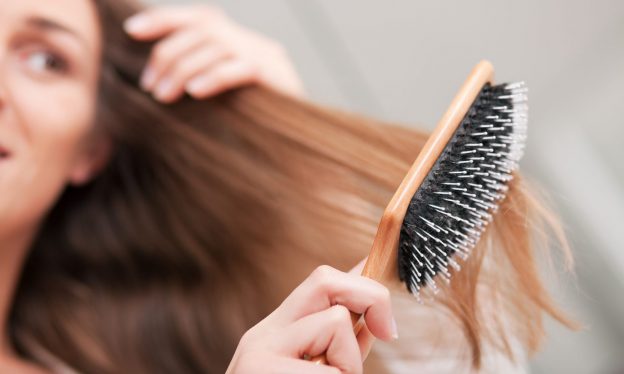
If you want to comb in the shower, first coat the hair with conditioner, then untangle it with your fingers, and then use a wide-toothed comb. There is no denying that brushing too much can cause breakage, but using scalp oils is one of the best conditioners available.
Your hair will undoubtedly be ruffled if you wash it again after it has been conditioned. Because conditioner can build up on your hair, it can feel heavy and greasy. Dust and dirt will be attracted to the area and further exacerbate the problem. Using a conditioner that does not contain silicones is the most effective way to avoid the risk of overhydrating or thinning hair.
What Happens If You Wash Your Hair Only With Conditioner?

If you only use these products for a short period of time, your hair may feel clean for a short period of time, but over time, the buildup will become worse. If you are committed to co-washing, use more water-based products that are easier to wash away without the need for drying.
You wash and cleanse your hair with conditioner as part of co-washing. Since its inception in 1900, conditioner has advanced a long way. Plain water, coconut oil, and baking soda with apple cider vinegar are also good alternatives to shampoo. It is critical to consider your hair type before attempting to co-wash. If you wash your hair on a regular basis, you can make styling easier. Co-washing with oily or coarse hair should not be done. According to Good Housekeeping, it is best to use a regular shampoo on your hair once a week to keep it clean. Initially, some co-washers were concerned about the possibility of greasy hair.
Using heavy-duty conditioners can overload your hair, so avoid using them excessively and only lightly apply them.
Use Shampoo And Conditioner For Best Hair Results
You can use conditioner to cleanse your hair and scalp, but you should also use a shampoo to get the best results. A conditioner may add ingredients over time that can leave your hair feeling waxy, dry, or greasy.
Do Conditioners Cleanse?
Conditioners are designed to deposit nutrients and moisture into the hair shaft to improve the overall health of the hair. While conditioners do not strip the hair of sebum and dirt like shampoos do, they can help to rinse away some of the build-up on the hair shaft that can cause the hair to appear dull and lifeless.
Co-washing or conditioner washing is a method of cleansing hair that does not involve using silicones, petrolatum, or mineral oils. Although co-washing is gentle on the hair’s cuticle, residues under the scales can cause it to buildup. In terms of appearance, over-cleansed frizzy hair is not acceptable. In this article, we go over the pros and cons of the co-washing method in a medical context. Chemically treated hair has a lower hydrophobicity and lubrication, a high water intake, and is more prone to breakage. To cleanse the hair, conditioner is a good option for washing with co-washing. Adding moisturizers to shampoos is one option for preserving a healthy hair structure.
Dirt and residues must be removed mechanically as part of the co-washing process. Silicones, mineral oil, and petrolatum are among the products not to be washed together. Silicone is classified in two groups: water-soluble and non-soluble. The sulfate group is the most common group of surfactants used in regular shampoos. For sensitive and ethnic hair, co-washing should be done with a clarifying shampoo every 15 days. Because of the possibility of buildup, it is best to avoid silicones that are notsoluble in conjunction with co-washing. In no way does the author have a conflict of interest. This publication is not a recommendation or endorsement of any publisher or editor and is not intended to be used in any way by any of the authors or contributors.
Cleansing Conditioners: The Good And The Bad
A cleansing conditioner, in contrast to a blow-dry conditioner, removes the natural oils from your hair, scalp, and scalp hairs without stripping them of their health benefits. It is possible to use cleansing conditioners on the scalp with ingredients like surfactants. A cleansing conditioner is beneficial to those who want to cleanse their hair without harsh stripping agents, but not to those who want to moisturize their hair.
What Happens If I Just Use Conditioner?
Co-washing may result in a gentler scalp, especially for hair with already damaged ends. Despite the fact that this will leave the hair looking oily, it will leave a lot of excess product on it. If you have buildup, use a clarifying shampoo every two weeks. Co-washing is low risk and worthwhile if you are interested.
According to Chuck Bass, a New York City hairstylist, conditioner use reduces breakage and splits because it smooths and dethronishes the hair. You must condition your shampoo on a regular basis if you want moisture to return, as well as softens and detraordinarys.
A conditioner is required for hair to stay shiny and healthy. You should use a product that is specifically designed to cleanse your scalp on a regular basis. You will be able to get your hair looking and feeling smoother and silkier after this procedure because the buildup and impurities will be removed.
Try Co-washing To Reduce Frizz And Dryness
If you want to reduce your shampoo use while also maintaining a healthy and clean scalp, simply conditioning your hair with conditioner may be a good option. A deep cleaning is also an excellent way to minimize dryness and frizz in curly hair. You should only use conditioner on days when you need a really clean and conditioned scalp, and only shampoo on days when you do not.
Does Conditioner Clean Your Scalp
Conditioner does not actually clean your scalp. It is designed to coat the hair shaft and smooth the cuticle. This gives the appearance of clean, shiny hair. Shampoo is what cleans your scalp and removes built up oil, sweat, and products.
Make sure you have your hair shampooed every day to avoid buildup and dirt. You should shampoo your hair on a regular basis if it is oily. If your hair is dry, you should shampoo it on a daily basis. In the case of curly hair, you should shampoo every other day and use a moisturizing conditioner every time you wash.
It is critical that you conditioner your hair every time you wash it because it will be healthier and hydrated. Choosing a conditioner that caters to your specific hair type is the best way to go about it. In the case of curly hair, for example, you should use a conditioner specifically designed for that condition.
How To Keep Your Hair Healthy And Hydrated
A conditioner is an excellent way to add extra moisture to your hair, but it should not be applied directly to your scalp. You can massage the conditioner into your hair with your fingers or a wide-toothed comb for about a minute or two. You will be able to seal in moisture and keep your hair healthy and hydrated by applying this.
Benefits Of Washing Hair With Conditioner Only
Co-washing, on the other hand, is a gentler way to wash your scalp and hair: shampoos are harsh, so your hair will remain healthier and the natural oils will remain intact. It’s intended to be especially beneficial for dry and curly hair.
Because shampooing removes oils that naturally shine and smooth the texture of hair, rinse your hair thoroughly before shampoo. If you have curly or frizzy hair, you should use a conditioner that is made with natural oils such as argan oil to keep your hair smooth and frizz-free.

Beckley Melendez is the founder and main author of beckleyboutique.com, a website dedicated to beauty and fashion. With a keen eye for style and a passion for all things beauty, Beckley has established herself as a respected voice in the industry. At 33 years old, she continues to share her expert insights and personal experiences with her readers, helping them stay on top of the latest trends and find the products that work best for them. With her unique perspective and engaging writing style, Beckley is a must-read for anyone interested in the world of beauty and fashion.