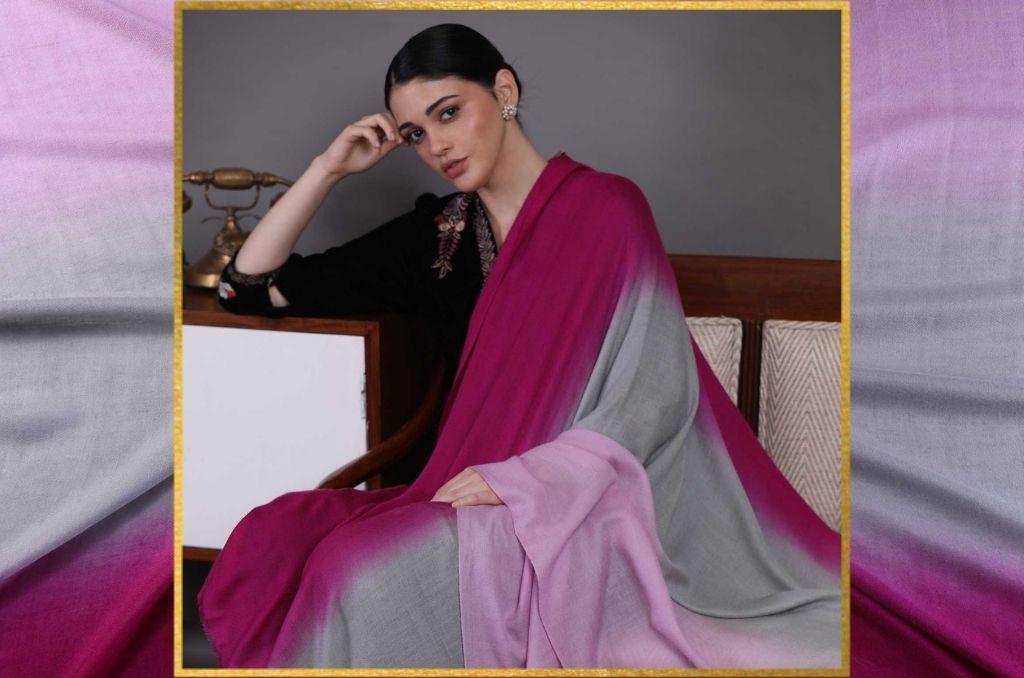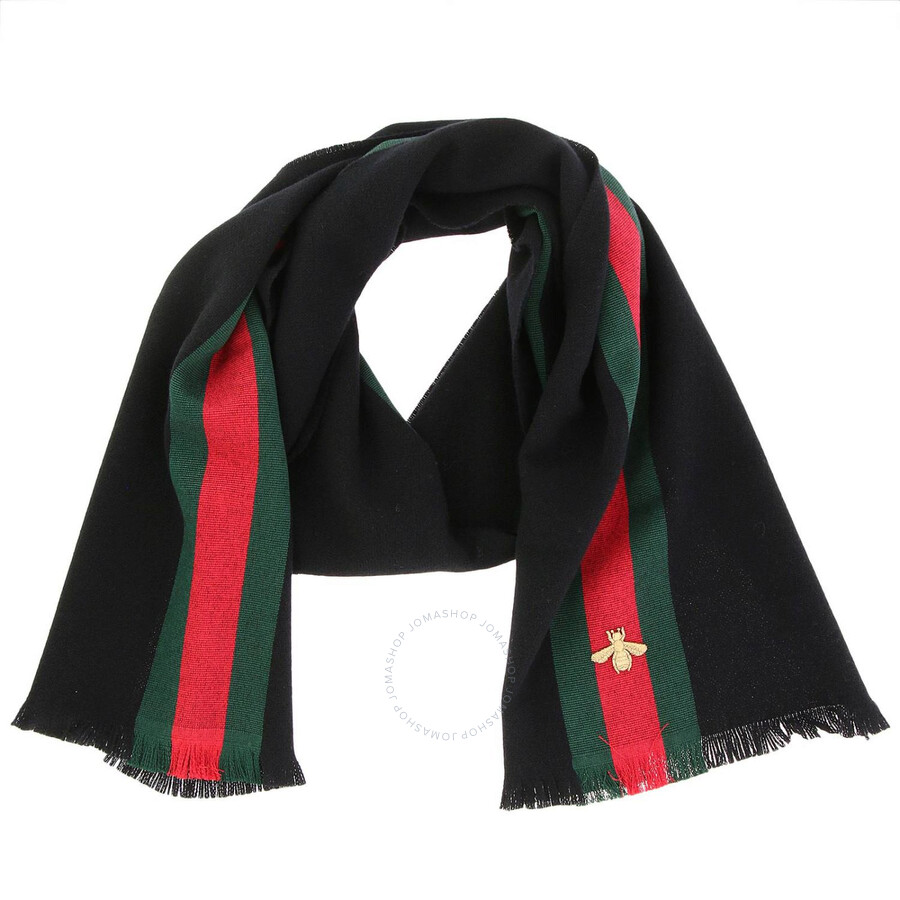
Why is it common for flight attendants to advise passengers to wear scarves during flights? The answer lies in the surprising science of cabin air and passenger comfort. In this article, we’ll look at why flight attendants constantly urge passengers to wrap themselves in scarves to ensure a comfortable flight.
Flight attendants have a hidden gem when it comes to scarfing for comfort in a world where cabin air can feel drier than a desert and comfort can often take a back seat. Scarves, in addition to adding style to your travel ensemble, can be used to combat the challenges posed by air travel. They act as a barrier against arid cabin air, keeping your skin hydrated while also keeping you warm during temperature fluctuations. You can also take advantage of other advantages in the long run.
Are you ready to learn the scientific and technical secrets behind the in-flight wisdom that flight attendants have come to expect? Prepare to embark on a journey that will reveal the practical and stylish reasoning behind the flight attendants’ recommendations. Scarves are more than just fashion accessories in the skies because they provide protection against dryness and serve as an air quality watchdog. As you brace for the journey, keep your seatbelt fastened and join us as we investigate the fascinating story of scarves and their role in enhancing the experience of air travel. Your comfort and well-being are about to soar.
The Science of Cabin Air
In the intricate ballet of modern air travel, as we find ourselves suspended thousands of feet above the Earth’s surface, the air within the cabin becomes more than just the invisible substance that fills our lungs. It transforms into an environment of its own, a delicate balance of elements that directly impacts our journey. The science of cabin air, often overlooked in the grand scheme of flight, unveils a realm of challenges and considerations that underscore the importance of comfort and well-being during our voyages.
Step aboard an aircraft, and you’re entering a controlled microcosm where the very air you breathe is subject to specific conditions. Low humidity levels, characteristic of cabin air, are the unsung architects of the discomfort that many travelers experience. The parched environment can sap moisture from your skin, leaving it feeling dry and lackluster. It’s a reality that might not immediately register, but the subtle signs – the itchiness, the tightness – are telltale hints of your body’s silent battle against the arid surroundings.
A pressurized environment adds another layer to this intricate equation. As the plane ascends or descends, the pressure changes can sometimes cause that familiar sensation of your ears popping. The cabin pressure is maintained to ensure our physiological comfort, yet it’s a balance that necessitates careful attention. Even the seemingly mundane act of enjoying your in-flight meal can be affected by the altitude, with flavors potentially dulled due to the altered atmospheric conditions.
Recirculated air is yet another factor in the science of cabin air. While it’s a practical solution for maintaining air quality and temperature consistency, it can introduce a host of concerns. Shared air, after all, means shared particles – be they odors, allergens, or other minuscule irritants. This can spell discomfort for those sensitive to such substances or harbor respiratory issues. Amidst the confined space of an airplane cabin, these challenges can’t be dismissed as minor inconveniences. They are real, tangible aspects of the in-flight experience that demand attention and consideration.
Beyond the realm of mere discomfort, the conditions of cabin air have potential health implications that extend beyond the scope of a single flight. Prolonged exposure to low humidity levels can contribute to skin dehydration, exacerbating existing skin conditions or even leading to new ones. The pressurized environment, while designed for our comfort, can still leave our bodies subtly readjusting to the altitude changes. And for those already struggling with respiratory sensitivities, the recirculated air can prove to be a formidable adversary.
In a world where convenience and efficiency often take precedence, the science of cabin air serves as a potent reminder that every facet of the flying experience requires consideration. From the moment you fasten your seatbelt to the time the aircraft touches down, the air around you is a dynamic entity, woven into the fabric of your journey. As passengers, we have the power to make informed choices – to stay hydrated, to take moments for self-care, and perhaps, most importantly, to respect the subtle intricacies of the air we breathe. After all, a flight isn’t just a means of reaching a destination; it’s a multi-sensory experience where science, comfort, and well-being converge.
Scarves as a Multi-Purpose Travel Essential
When it comes to the art of travel, seasoned adventurers and jet-setters alike have an invaluable secret weapon tucked into their bags: the humble scarf. Beyond its role as a fashion statement, the scarf emerges as a multi-purpose travel essential, poised to transform your journey in ways you might not have imagined. Its chameleon-like versatility, coupled with its practical benefits, positions the scarf as a true companion for explorations near and far.
In the realm of travel, adaptability is key, and the scarf takes on this challenge with finesse. Its role transcends mere aesthetics, proving to be a dynamic accessory that caters to a variety of needs. Picture this: as the airplane cabin envelopes you in a cocoon of dry, pressurized air, your scarf becomes a steadfast guardian. It stands as a barrier, a protective shield against the relentless assault of dehydration. With its fabric draped gently around your neck, it acts as a barrier between you and the arid conditions, ensuring your skin retains its moisture. In a world where comfort can often be compromised, this unassuming accessory transforms into a steadfast ally, warding off discomfort with every fiber.
But the scarf doesn’t stop at being a moisture savior. As the temperature within the cabin oscillates, plunging from chilly gusts to tepid currents, the scarf steps up to offer a cocoon of warmth and solace. Its fabric, delicately swathed around you, creates a microclimate of comfort. Whether you’re wrapped in its embrace or using it as a makeshift blanket, the scarf has a unique ability to insulate and soothe. This dualistic nature – a fusion of fashion and function – paints a picture of the scarf as a travel necessity that caters to both practicality and style.
Consider the jetsetter’s dilemma: fluctuating climates and ever-changing landscapes. From bustling metropolises to serene mountain retreats, the scarf adapts to the rhythms of your journey. Its role as a shield against cabin air issues becomes a testament to its ability to bridge gaps, to be a bridge between you and the environment. And when you step out into the vibrant chaos of a new city or find yourself at the mercy of nature’s elements, the scarf takes on yet another role – that of an all-weather accessory. Draped effortlessly around your shoulders or coiled into an impromptu turban, it stands as a symbol of your preparedness and poise, regardless of the circumstances.
As travel beckons with its promises of discovery and transformation, the scarf becomes an embodiment of adaptability and resilience. It’s a silent companion that journeys with you, transcending cultural boundaries and climates. It’s a testament to the seamless integration of fashion and function – a sartorial embodiment of the traveler’s spirit. So, next time you pack your bags for an adventure, consider the scarf as more than just an accessory. It’s a versatile tool, a trusted ally, and a silent guardian of your comfort and style throughout your journey. As you navigate the twists and turns of the road ahead, the scarf unfurls its myriad talents, making you feel at home wherever your wanderlust takes you.
Nurturing Skin Health and Hydration
In the realm of air travel, as passengers soar through the skies in sleek metal birds, there’s a silent but persistent foe at play: the cabin air that envelopes them. In this high-altitude environment, where the air is dry and pressurized, the impact on passengers’ skin can be both subtle and significant. The delicate balance of skin health and hydration faces a unique challenge, often unbeknownst to the travelers themselves. This unyielding environment can lead to a battle of moisture – and it’s one where the scarf emerges as an unexpected hero, acting as a guardian of skin health.
The dryness of cabin air is an undeniable reality. As the aircraft climbs to cruising altitude, the humidity levels plummet drastically, creating an atmosphere that is devoid of the moisture that our skin craves. In this vacuum of humidity, the skin’s natural defense mechanisms are put to the test. It’s a battle against time, where the air leaches moisture from the skin, leaving it parched and susceptible to irritation. The once-smooth facade can give way to discomfort – the tightness, the itchiness – an ensemble of sensations that can mar the otherwise exhilarating experience of travel.
This battle against skin dehydration and irritation is more than just a superficial concern. Skin, as the body’s largest organ, plays a pivotal role in safeguarding our overall well-being. When subjected to the harsh conditions of dry cabin air, it becomes a vulnerable frontier. The dryness not only robs the skin of its natural moisture but can also disrupt its protective barrier, leaving it susceptible to external aggressors. The result? Skin that’s more prone to redness, inflammation, and overall discomfort.
In the midst of this challenge, scarves emerge as a beacon of hope – a practical solution to counteract the adverse effects of the cabin environment. These seemingly unassuming accessories take on a dual role: that of a fashion statement and a functional defender of skin health. Draped around the neck, the scarf creates a barrier between the skin and the unforgiving dry air. It acts as a cocoon, sheltering the skin from the parched atmosphere and allowing it to retain its precious moisture. The scarf becomes more than a mere accessory; it becomes a shield against discomfort, a layer of defense that travelers can count on.
But the scarf’s role doesn’t end with barrier protection. It becomes a conduit for comfort, infusing the journey with an element of coziness and warmth. As the temperature within the cabin fluctuates, the scarf rises to the occasion, offering an additional layer of insulation. The fabric, elegantly swathed around the neck or shoulders, serves as a cocoon, offering respite from the temperature swings that can characterize air travel. It’s a testament to the scarf’s adaptability, its ability to cater to not only the practical but also the emotional needs of travelers.
As travelers step onto the plane, embarking on their adventures with eager anticipation, the role of the scarf takes on a new dimension. Beyond the realms of fashion, it becomes an unsung hero – a silent protector of skin health and a purveyor of comfort. It’s a symbol of preparedness, a defense mechanism against the rigors of air travel. With each flight, the scarf tells a story – of resilience, of adaptability, and of the harmonious interplay between practicality and style. In the ever-evolving saga of air travel, where comfort and well-being are paramount, the scarf emerges as a steadfast companion, a vital asset that nurtures the health of both the skin and the soul.
Breathing Easy: Scarves as Air Quality Shields

In the confined space of an aircraft cabin, where the air is recirculated and shared among passengers, concerns about air quality loom large. The notion of inhaling particles, allergens, and potential irritants can cast a shadow over the otherwise exciting prospect of air travel. In this context, scarves, those versatile and oft-forgotten companions, emerge as unlikely but effective air quality shields, providing a level of protection that goes beyond mere aesthetics.
Recirculated air, while practical for maintaining a consistent temperature, can pose challenges to passengers, particularly those with respiratory sensitivities. The very air that sustains us during the flight can be laden with unseen particles – a mixture of pollutants, allergens, and potentially harmful substances. For individuals already prone to allergies or respiratory issues, this reality can translate into discomfort and health concerns. The cabin, once a haven of relaxation, takes on an air of apprehension.
Enter the scarf – a subtle but potent line of defense against the airborne foes. While its primary role may be fashion-forward, its secondary purpose is one of protection. Think of the scarf as a filter, a barrier between you and the potential irritants suspended in the cabin air. Its fabric, delicately woven, has an innate ability to trap particles that might otherwise find their way into your lungs. As you wrap the scarf around your neck, it becomes an unassuming hero, capturing dust, pollen, and other microscopic intruders that could otherwise compromise your well-being.
The benefits of this air quality shield extend beyond the realm of comfort. For those with respiratory sensitivities, the scarf becomes a powerful ally in maintaining an optimal breathing environment. From asthma to allergies, individuals navigating the world with these conditions often require a heightened level of caution. In this context, the scarf takes on a dual role – a practical accessory and a source of relief. By intercepting potential irritants, it creates a buffer that enables those with respiratory challenges to breathe a little easier, quite literally. It’s a small but impactful step towards fostering a more comfortable journey for those who need it most.
Amidst the air travel landscape, where comfort, safety, and well-being intersect, the scarf’s role as an air quality shield takes on a new significance. It’s a reminder that even in the skies, where the environment is beyond our control, there are measures we can take to safeguard our health. With each drape and fold, the scarf becomes an emblem of resilience, a representation of the harmonious balance between fashion and function. It’s a silent guardian, standing as a symbol of preparedness and consideration for our own bodies – a simple yet powerful tool that enhances our journey. So, the next time you pack your bags for a flight, consider the scarf not only as an accessory but as an integral part of your air travel arsenal, equipping you to navigate the skies with both style and peace of mind.
A Stylish Solution to In-Flight Comfort
In the ever-evolving realm of air travel, where safety protocols and passenger comfort intertwine, the focus on enhancing the flying experience has never been more apparent. Airlines and their vigilant flight attendants are attuned not only to the technicalities of a flight but also to the subtle nuances that can make a journey truly remarkable. This intersection of safety and comfort has paved the way for unexpected innovations, one of which is the incorporation of scarves as a stylish solution to in-flight comfort.
In the dynamic landscape of aviation, comfort is a non-negotiable aspect of the passenger experience. Airlines and their diligent crews recognize that the journey isn’t merely about getting from point A to point B – it’s about creating an environment where passengers can feel at ease, even at 30,000 feet in the air. The role of flight attendants goes beyond serving refreshments and demonstrating safety procedures; it’s about curating an ambiance that fosters relaxation and well-being. And in this quest for comfort, the scarf emerges as an unconventional yet ingenious tool.
Scarves, often associated with fashion, have found their niche as contributors to overall in-flight comfort. Beyond the traditional role of keeping passengers warm, scarves serve as adaptable companions that cater to the diverse needs of travelers. They act as versatile layers, offering solace against the temperature fluctuations that can characterize air travel. From the chilly gusts of air conditioning to the temperate breath of fellow passengers, the scarf becomes a versatile cocoon, wrapping passengers in a microclimate of coziness. This dualistic nature – equal parts fashion statement and practical protector – aligns seamlessly with the ethos of airlines that prioritize holistic comfort.
But it’s not just airlines that endorse the scarf’s transformative role; frequent travelers themselves often swear by this unconventional accessory. Those who traverse the skies with regularity have honed the art of in-flight comfort, and their insights are as valuable as they are diverse. Many attest to the scarf’s ability to ward off the discomfort of dry cabin air, acting as a moisture retainer that preserves the skin’s natural hydration. Others share tales of using scarves as makeshift pillows or blankets, leaning into their adaptability to create a cocoon of comfort amidst the unfamiliar surroundings of an airplane cabin. These anecdotes, rich with experiences and wisdom, underscore the scarf’s relevance in the lives of those who have truly embraced the art of air travel.
In the narrative of modern travel, where passenger needs and preferences are front and center, the scarf emerges as a testament to the symbiotic relationship between style and practicality. The passenger experience is no longer solely about reaching a destination; it’s about the journey itself, the moments of connection, and the ability to feel at ease even when suspended in the skies. Scarves, with their versatility and transformative potential, have etched themselves into this narrative as more than just accessories. They’re catalysts of comfort, enhancers of style, and silent proponents of passenger well-being.
As the aviation industry continues to evolve, and as passengers embark on their journeys with a renewed sense of curiosity, the role of scarves as in-flight comfort allies remains steadfast. They embody the fusion of practicality and aesthetics, offering a tangible solution to the multifaceted challenge of staying comfortable while flying. With each drape and fold, the scarf becomes a silent companion, a stylish guardian of well-being, and a reminder that the journey, when enriched by thoughtful considerations, can be just as rewarding as the destination itself.
Expert Insights: Flight Attendants’ Perspective

Stepping into the shoes of experienced flight attendants, those ever-present stewards of the skies, sheds a unique light on the often-overlooked wisdom behind their advice. When it comes to recommending passengers to wear scarves during flights, their insights unveil a tapestry of considerations that go beyond mere style. Through interviews and firsthand accounts, these seasoned professionals offer a glimpse into their perspectives, revealing why they consistently advocate for the inclusion of scarves in passengers’ travel ensembles.
Flight attendants, those individuals who seamlessly navigate the skies and tend to the needs of diverse passengers, are well-acquainted with the multifaceted challenges of air travel. Their role transcends that of service providers; they are, in many ways, custodians of comfort and well-being. As guardians of the cabin, they bear witness to the dynamics of the environment – the fluctuations in temperature, the nuances of humidity, and the potential discomfort that can arise from recirculated air. These insights, accumulated over countless flights, have led them to recognize the unique benefits of scarves.
From these seasoned individuals, we gather firsthand accounts of why scarves consistently earn their endorsement. Flight attendants often highlight the scarf’s dual nature – a blend of style and function that aligns seamlessly with the demands of travel. Scarves, draped around the neck or shoulders, become more than just a fashion statement; they act as a barrier against the harsh effects of cabin air. The dryness that characterizes the atmosphere at cruising altitude can sap the skin of moisture, leading to discomfort. Flight attendants, with their acute observations, understand that scarves can serve as moisture retainers, preserving the skin’s hydration and helping passengers emerge from their journeys with comfort intact.
Beyond the technical aspects, anecdotes from flight attendants emphasize the positive impact scarves can have on passengers’ overall comfort. These professionals often recount instances where passengers, equipped with scarves, navigate the journey with a greater sense of ease. The scarf’s versatile nature shines through as passengers adapt them to their needs – whether to shield against the chilly gusts of air conditioning or to cocoon themselves in warmth during moments of rest. These accounts, laden with authenticity, serve as testimonials to the scarf’s transformative potential.
Quotes from these flight attendants reveal a universal sentiment – the scarf transcends its appearance, becoming an embodiment of comfort and adaptability. One flight attendant aptly states, “We’re attuned to the subtleties of the cabin environment, and scarves consistently provide a simple yet effective solution to enhancing passengers’ experience.” Another notes, “Scarves are like companions throughout the journey. They not only keep us warm but also create a sense of familiarity and coziness amidst the unfamiliarity of air travel.”
In the ever-shifting landscape of aviation, where passenger well-being and comfort stand as cornerstones, the perspective of experienced flight attendants offers invaluable insights. Their advice to wear scarves goes beyond the realm of fashion; it delves into the realm of practicality, enhancing the journey in ways that are both tangible and heartfelt. As travelers heed their counsel and wrap themselves in the versatile embrace of scarves, they’re tapping into a tradition endorsed by those who intimately understand the intricacies of air travel. With each flight, as scarves grace the cabin, they become a silent testament to the harmonious blend of style, comfort, and practicality – a testimony to the enduring wisdom of those who make the skies their home.
Practical Tips for Choosing and Wearing Scarves
Navigating the world of scarves, with their myriad styles, materials, and uses, can be akin to embarking on a sartorial adventure. When it comes to travel, scarves are more than just accessories; they’re versatile companions that can enhance both fashion and function. For the modern traveler seeking practicality and style in equal measure, here are some insightful tips on choosing and wearing scarves to maximize their benefits and elevate the travel experience:
Choosing the Right Material: Selecting the appropriate scarf material is pivotal for a comfortable journey. Consider the destination’s climate and the cabin’s potential temperature fluctuations. Opt for materials like lightweight cotton or breathable linen for warmer regions, ensuring comfort even when on-the-go. In cooler environments, embrace the warmth of wool or cashmere. These materials not only provide insulation but also fold compactly, making them excellent choices for packing.
Styling for Fashion and Function: Styling scarves is an art that marries fashion with functionality. Experiment with different knots and drapes that not only enhance your outfit but also serve as practical shields against the elements. A loose loop around the neck can ward off the chill of air conditioning, while a knotted wrap can double as a makeshift pillow during moments of rest. For fashion-forward travelers, scarves can transform a simple ensemble into a chic statement. Drape it over your shoulders, loop it through a belt, or tie it as a headband – the possibilities are as limitless as your creativity.
Step-by-Step Instructions for Proper Wearing: To truly maximize the benefits of scarves, mastering the art of wearing them is essential. Follow these step-by-step instructions for a polished and purposeful look:
The Classic Loop: Fold the scarf in half lengthwise. Place the folded scarf around the back of your neck and pull the loose ends through the loop created by the fold. Adjust the tightness and position to your preference. This simple style keeps your neck warm and adds a touch of elegance.
The Infinity Twist: Wrap the scarf around your neck twice, creating a double loop. Twist one of the loops to create an “infinity” shape. Place the twisted loop over your head and adjust the scarf for a snug fit. This style offers both warmth and style.
The Belted Shawl: Drape the scarf over your shoulders like a shawl. Secure it in place with a belt around your waist. This look adds a layer of warmth and sophistication to your outfit, making it ideal for transitioning from the plane to your destination.
The Head Wrap: Fold the scarf into a triangle. Place the folded edge along your hairline, with the point of the triangle hanging down your back. Cross the two ends of the scarf under your chin and tie them at the nape of your neck. This style keeps your hair in check and protects your head from drafts.
As you embark on your next adventure, armed with the right scarf and the knowledge to wear it effectively, you’ll discover a world of comfort and style that goes beyond the ordinary. Scarves, once thought of as simple accessories, transform into dynamic tools that enhance your travel experience. From shielding against the cold embrace of airplane cabins to infusing your outfit with a touch of elegance, scarves become your steadfast companions on your journey. Whether you’re exploring a new city or jetting off to a business meeting, these versatile pieces of fabric become symbols of practicality and creativity. So, embrace the world of scarves with open arms – they’re more than just fashion; they’re your secret to both elevated style and enhanced comfort while traveling.
Dispel Myths and Misconceptions

In the realm of air travel, where comfort meets practicality, certain myths and misconceptions often swirl around seemingly innocuous practices. The act of wearing scarves during flights is no exception, as passengers sometimes harbor misconceptions that deserve to be dispelled. These elegant swaths of fabric are more than mere fashion statements; they’re valuable tools that offer both comfort and protection against the unique challenges of air travel. Here, we address these myths and clarify the true value of scarves in the context of flying:
Myth: Scarves Are Purely Fashion Accessories It’s a common misconception that scarves are solely accessories designed to enhance one’s outfit. While it’s undeniable that scarves can be stylish additions to any ensemble, their utility goes beyond aesthetics. Scarves are versatile pieces of fabric that hold the power to shield against the adversities of air travel, including fluctuating cabin temperatures and dry air. Their ability to serve as functional barriers sets them apart from traditional fashion accessories.
Clarification: Scarves Serve Practical Purposes Scarves are not just fashion items; they’re versatile allies that address the discomforts passengers might encounter during flights. The cabin environment can swiftly shift from cold drafts to warmer pockets of air, leaving travelers to contend with temperature fluctuations. Scarves, when worn appropriately, act as personal climate regulators, ensuring that passengers stay cozy and comfortable throughout their journey. Additionally, the dry air prevalent in aircraft cabins can lead to skin dehydration and irritation. Scarves, when wrapped around the neck, provide a barrier that helps retain moisture, preventing the discomfort often associated with prolonged exposure to recirculated air.
Myth: Scarves are Inconvenient for Travel Another misconception is that scarves are bulky and unwieldy items that are cumbersome to carry during travel. In reality, scarves are incredibly versatile and can be folded or rolled into compact sizes that easily fit into carry-on luggage. Lightweight materials like silk, cotton, or linen can be particularly travel-friendly, as they don’t take up much space and can be readily accessed when needed.
Clarification: Scarves are Travel-Savvy Accessories Scarves, far from being an inconvenience, are actually travel-savvy accessories that add a layer of practicality to your journey. Their compact nature makes them perfect companions for frequent flyers seeking comfort and style without sacrificing precious luggage space. Scarves can be effortlessly tucked into your bag, ready to be called upon when the airplane’s climate presents its challenges.
Myth: Scarves are Exclusively for Winter Travel The notion that scarves are exclusively suitable for winter travel is a common misperception. Scarves come in a wide array of materials, thicknesses, and styles, making them adaptable for various climates and seasons. Lightweight scarves made from breathable materials are ideal for warmer destinations, as they offer protection against air conditioning and provide a fashionable touch to your attire.
Clarification: Scarves are Year-Round Companions Scarves transcend seasonal boundaries, proving their worth across all seasons. Whether you’re jetting off to a tropical paradise or embracing a winter wonderland, scarves can be tailored to suit the climate. From lightweight options for a Mediterranean escape to thicker varieties for cozy winter adventures, scarves remain reliable companions that cater to your travel needs.
In the realm of air travel, it’s essential to separate fact from fiction, especially when it comes to practices that can enhance your journey. Scarves, often misconstrued as mere fashion accessories, are in reality invaluable tools that safeguard against the discomforts of air travel. As passengers become aware of the practical purposes these elegant fabric swaths serve, they can embrace scarves as indispensable allies that elevate comfort and style at 30,000 feet. Whether you’re a frequent flyer or an occasional traveler, let the truth about scarves guide your choices, ensuring that your journey is not only stylish but also marked by comfort and practicality.

Beckley Melendez is the founder and main author of beckleyboutique.com, a website dedicated to beauty and fashion. With a keen eye for style and a passion for all things beauty, Beckley has established herself as a respected voice in the industry. At 33 years old, she continues to share her expert insights and personal experiences with her readers, helping them stay on top of the latest trends and find the products that work best for them. With her unique perspective and engaging writing style, Beckley is a must-read for anyone interested in the world of beauty and fashion.