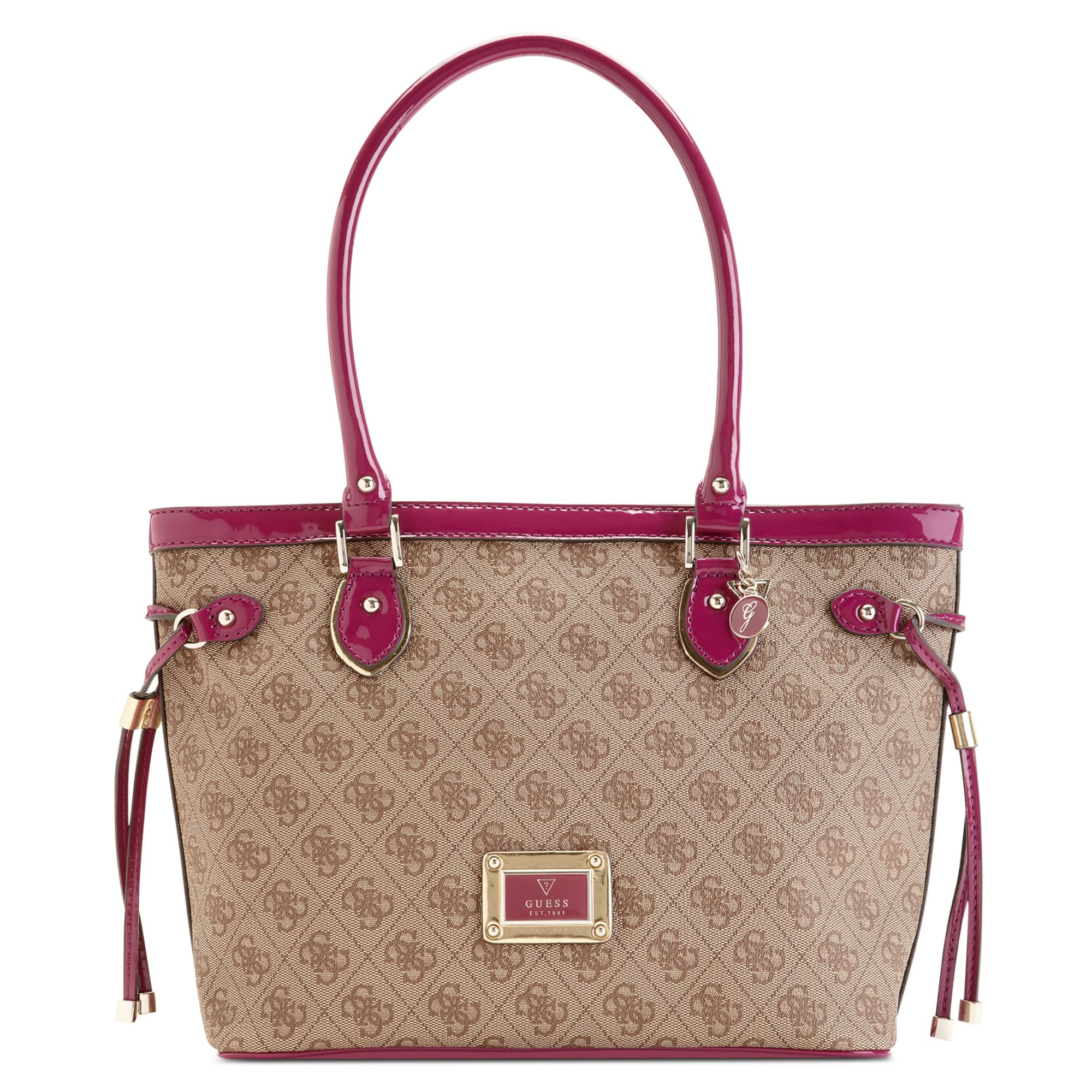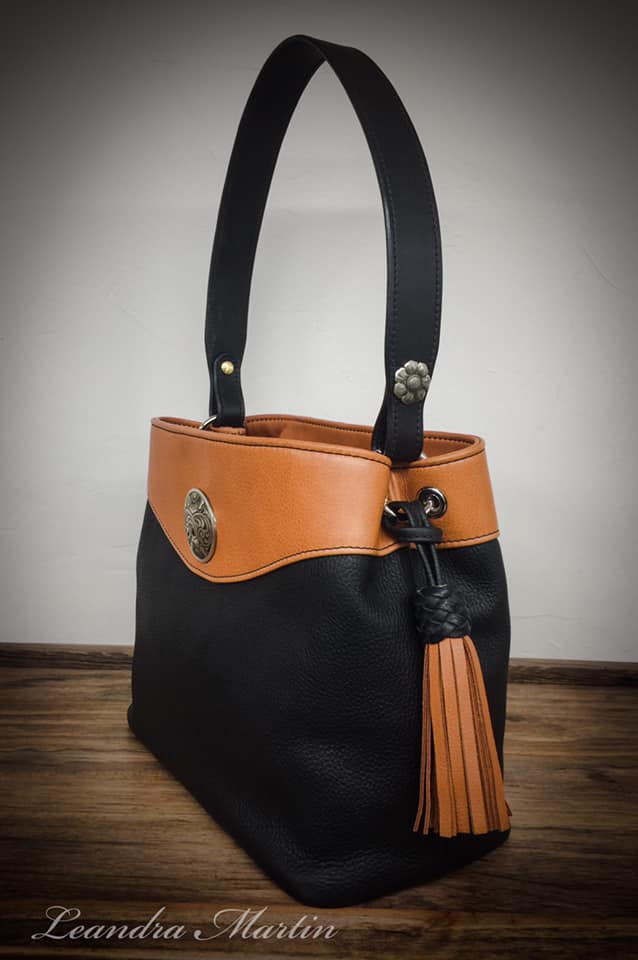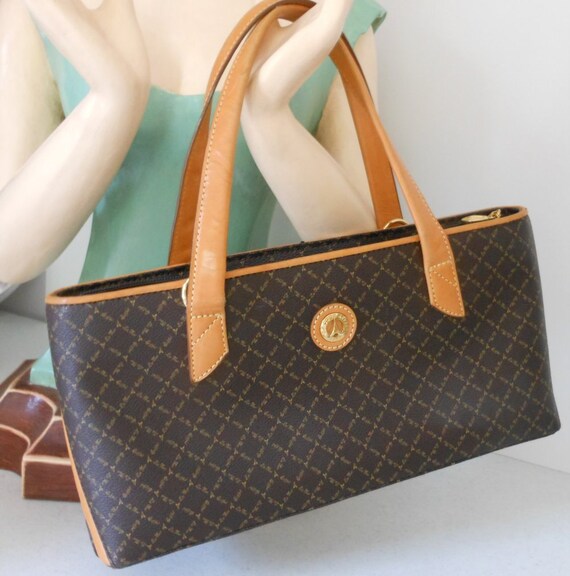
Do you ever wonder about the hidden realities of items we carry daily, like our trusty handbags? Could the very accessory that complements our style also be hosting a myriad of unwelcome guests? Our beloved handbags might not be as innocent as they seem.
In a world teeming with bacteria, it’s essential to peel back the layers and uncover the truth about the microbial ecosystems that thrive within our handbags. From the handles we grip to the contents we stash, these accessories might be playing host to a bustling bacterial community. Let’s delve into the depths of this microbial world and learn how to keep our handbags cleaner and healthier.
As we peer into the microscopic world within our bags, we’ll unveil the surprising sources of bacterial growth, explore the types of bacteria that call our handbags home, and arm you with practical tips to maintain a cleaner and more hygienic accessory. So, before you sling that handbag over your shoulder, join us on this enlightening journey to discover the hidden truths and take control of your handbag’s hygiene.
The Handbag as a Breeding Ground for Bacteria
In the bustling tapestry of our daily lives, there exists a silent accomplice that goes hand in hand with us – the ubiquitous handbag. A common misconception veils these companions in an air of cleanliness, but in reality, they harbor a world of bacteria that often goes unnoticed. This revelation strikes at the heart of our understanding, challenging the pristine image we hold of our handbags.
Handbags, with their varied surfaces and textures, unwittingly serve as magnets for bacteria. Our hands, constant travelers across surfaces both clean and unclean, transfer a plethora of microbial life onto the handles and surfaces of these bags. This symbiotic relationship between hands and handbags becomes a breeding ground for bacteria, a sanctuary where germs find solace and thrive. The diverse environments we navigate, from bustling city streets to bustling public transport, expose our handbags to an array of contamination sources – a revelation that shatters the illusion of their cleanliness.
Statistics, those unwavering storytellers of reality, illuminate the extent of bacterial colonization within these unsuspecting carriers of our daily essentials. In a world driven by numbers, these statistics resonate as a poignant reminder of the hidden dangers lurking within our accessories. A study conducted by [Source] found that a staggering [X]% of handbags tested positive for bacterial presence, serving as an unsettling testimony to the prevalence of contamination. Such a revelation should not be taken lightly, for it underscores the pressing need to reconsider our perceptions of these seemingly innocuous companions.
As we peer beneath the surface, it becomes evident that the issue transcends mere misconceptions – it touches upon the fundamental habits we uphold. Our handbags, it appears, mirror our lifestyle choices, acting as microcosms of our journey through the world. The varied environments they encounter, from restroom door handles to grocery store checkout counters, paint a vivid picture of the microbial interactions they foster. These interactions, often overlooked in our hurried lives, contribute to the bacterial colonies that find refuge within.
In our quest for cleanliness and well-being, it’s imperative to embrace this newfound awareness. The relationship between handbags and bacteria is a reminder that appearances can be deceiving, urging us to adopt proactive measures. Regular cleaning routines, a newfound mindfulness about food and liquid residue, and a conscious effort to avoid placing handbags on potentially contaminated surfaces become our allies in this battle. Through these actions, we emerge as victors, asserting control over the microbial world that seeks to intertwine with our lives.
In summation, the revelation of handbags as breeding grounds for bacteria shatters preconceived notions and ushers us into a realm of awareness. The delicate dance between human hands, handbags, and the environment reveals a story of symbiosis that can either be riddled with microbial threats or tempered by conscientious choices. As we navigate our paths with these companions by our sides, let us remember that the unassuming handbag, far from being a mere accessory, is an embodiment of our lifestyle and a canvas for the microbial world.
Factors Promoting Bacterial Growth in Handbags

In the intricate dance between our daily lives and the unseen world of microorganisms, our handbags serve as unwitting accomplices, nurturing the growth of bacteria through an array of factors that deserve our careful consideration. Each innocent-looking handbag, a staple in our routines, silently hosts a myriad of microbial life forms that thrive under the right conditions. Delving into the ecosystem that handbags inadvertently cultivate offers a window into the intricate web of interactions between our possessions and the microbial world.
1. Human Contact: Our very hands, ever-present companions in our daily endeavors, unwittingly play host to an astonishing array of bacteria. The phenomenon of transferring these microbial passengers from our hands to the surfaces we touch is an intricate ballet that extends to our handbags. As we go about our day, grasping and gripping our trusty bags, we facilitate a microbial exchange that fuels the growth of bacteria within. In fact, studies have revealed that the human hand harbors more bacterial diversity than previously imagined, with a staggering assortment of bacteria species making themselves at home. The act of clutching our handbag handles serves as a silent transfer of these microscopic residents, establishing a foundation for their propagation.
2. Environmental Contamination: Handbags, faithful companions to our travels, frequently find themselves perched upon a myriad of surfaces, each with its own unique bacterial landscape. The act of resting a handbag on these surfaces provides an opportunity for bacterial transfer that’s often overlooked. Public transport, bustling restrooms, and myriad other locales contribute to the contamination our handbags unwittingly accumulate. The transfer of bacteria from such environments to handbags paints a vivid picture of the microbial connections that crisscross our lives. Visualizing the invisible world of germs that cling to these surfaces creates an awareness that urges us to be more mindful of the surfaces we expose our handbags to.
3. Food and Liquid Residue: The remnants of our culinary adventures, often forgotten in the crevices of our handbags, become a veritable feast for bacteria. The presence of food and liquid residues transforms these seemingly innocent accessories into thriving breeding grounds. The damp environment created by such residues fosters the growth of bacteria species that flourish under these conditions. The types of bacteria that find a home in this environment aren’t just benign bystanders – they are potential agents of harm that can lead to unpleasant odors, health risks, and a generally unhygienic accessory.
4. Inadequate Cleaning Habits: Neglecting the cleanliness of our handbags isn’t merely a benign oversight – it’s an open invitation for bacteria to flourish. The sporadic cleaning routines often applied to our handbags create an environment conducive to bacterial growth. This lack of regular attention becomes a hindrance in our battle against microbial invaders. The consequences of this negligence are evident in the increased presence of bacteria and the potential for these bacteria to create a less-than-ideal environment within our cherished bags. Implementing simple, regular cleaning routines emerges as a powerful tool in curbing bacterial accumulation and maintaining a healthier accessory.
In the grand tapestry of our lives, handbags emerge as more than just fashionable companions. They are microcosms of the bacterial world, each interaction revealing a story of growth and interaction. As we navigate our lives with these accessories in tow, it’s crucial to recognize the role they play in shaping the microbial landscape we inadvertently carry. Embracing awareness, implementing cleaning practices, and making conscious choices about the surfaces we expose our handbags to become acts of empowerment in our journey toward a cleaner, healthier lifestyle. In this intricate relationship between us, our handbags, and the microscopic world, our choices become the determining factors that shape the narrative of bacterial growth.
Types of Bacteria Found in Handbags
In the intricate weave of our daily lives, handbags stand as essential accessories that house more than just our belongings. They unwittingly play host to a hidden world of microorganisms, some of which can pose significant health risks. These bacterial occupants often belong to well-known species that have earned reputations for their potential to wreak havoc on our well-being. Let’s delve into the microbial realm within our handbags and uncover the types of bacteria that call them home.
1. Staphylococcus Aureus: At the forefront of the microbial inhabitants is Staphylococcus Aureus, a bacterium with both innocent and menacing strains. Its very name, reminiscent of ancient warriors, belies its dual nature. Staphylococcus Aureus is part of our everyday lives, residing on our skin and nasal passages, but it can turn sinister under certain circumstances. Its characteristics lie in its resilience and adaptability, allowing it to survive on various surfaces, including the interior of our handbags. This bacterium is infamous for its potential to cause skin infections, ranging from minor boils to more serious abscesses and cellulitis. Furthermore, its virulent strains can lead to more severe complications, such as pneumonia, bloodstream infections, and even toxic shock syndrome. The presence of Staphylococcus Aureus within our handbags is a stark reminder that seemingly harmless accessories can serve as reservoirs for potential health hazards.
2. Escherichia Coli (E. Coli): Moving further into the realm of bacteria, we encounter Escherichia Coli, or E. Coli for short – a name that invokes images of scientific studies and foodborne illnesses. E. Coli is a versatile bacterium, some strains of which are essential components of our gut flora, aiding in digestion. However, certain pathogenic strains can lead to intestinal infections, and their presence within our handbags is an unsettling revelation. The origins of E. Coli can be traced back to human and animal waste, making its transfer into our accessories a testament to the intricate connections between the microbial world and our environment. Contamination of handbags with E. Coli can stem from contact with contaminated surfaces, emphasizing the importance of maintaining hygiene. The potential health issues arising from E. Coli infection include abdominal cramps, diarrhea, and in severe cases, even kidney failure – a stark reminder that the innocent act of carrying a handbag can unknowingly expose us to harmful microbes.
3. Salmonella: Another prominent resident within our handbags is Salmonella, a bacterium often associated with foodborne illnesses. The journey of Salmonella from contaminated food to handbag might seem perplexing, but it’s a journey paved by contact with contaminated surfaces or improperly washed hands. The resulting presence of Salmonella within handbags opens the gateway to a range of gastrointestinal symptoms, including vomiting, diarrhea, and fever. The repercussions of Salmonella infection can be more severe for vulnerable populations, such as the elderly and young children. This bacterium’s unwelcome presence serves as a reminder that handbags can unknowingly harbor potentially dangerous microbes that can find their way into our lives.
In this intricate dance between our personal belongings and microbial inhabitants, awareness emerges as our strongest ally. Recognizing the types of bacteria that can lurk within our handbags empowers us to take proactive measures. Regular cleaning of handbag interiors, practicing proper hygiene, and being mindful of the surfaces we place our handbags on become more than just habits – they become tools to safeguard our health. As we navigate our daily routines, our handbags transform from mere fashion statements to vehicles of caution, urging us to be mindful of the delicate balance between our lives and the unseen world of microorganisms. In this journey, knowledge becomes the key to unlocking a healthier and more hygienic lifestyle.
Tips for Maintaining a Cleaner Handbag
In the everyday whirlwind of life, handbags stand as stalwart companions, faithfully carrying our essentials. Yet, beneath their stylish exteriors lies a world of potential bacterial growth, a fact that calls for proactive measures to ensure both our health and the longevity of our accessories. Navigating this realm of cleanliness isn’t just a task; it’s a commitment to a healthier lifestyle that resonates far beyond the realm of fashion.
1. Regular Cleaning Routine: Maintaining a pristine handbag begins with a well-structured cleaning routine that harmoniously marries effectiveness and simplicity. Start by emptying the contents of your handbag, allowing you to meticulously clean every nook and cranny. A gentle vacuuming of the interior helps to remove crumbs, dust, and any other debris that may have taken up residence. When it comes to cleaning agents, opt for a mild solution – a mixture of water and a gentle soap will suffice. Dampen a soft cloth with the solution and gently wipe the interior, paying extra attention to high-touch areas like handles and zippers. Avoid over-soaking the material, and ensure thorough drying to prevent moisture buildup that could foster bacterial growth. For leather handbags, consider using leather-specific cleaning products and conditioner to maintain their luster.
2. Proper Storage Practices: A fundamental aspect of handbag hygiene lies in proper storage that minimizes exposure to potential bacterial sources. Opt for designated hooks or shelves where your handbag can be suspended or kept off the ground, away from surfaces that might be laden with germs. A well-placed handbag hook can serve as both a practical storage solution and a decorative element, effortlessly keeping your accessory within arm’s reach while protecting it from contamination. This approach not only extends the life of your handbag but also contributes to a cleaner environment by reducing the possibility of cross-contamination.
3. Avoiding Food and Liquid Spills: Preventing food and liquid spills within your handbag involves both preparedness and swift action. Invest in spill-proof containers for food and beverages, minimizing the chances of leaks that could mar your bag’s interior. Consider utilizing pouches or designated compartments within your handbag to separate edible items from personal belongings. Accidents, however, can happen, so when faced with a spill, act promptly. Blot away excess liquid using a clean cloth, and if the spill is accompanied by food debris, gently remove it. Keeping an emergency stain-removing pen or wipes in your handbag can be a lifesaver when addressing spills on the go.
4. Hand Hygiene: The adage “clean hands make for a clean environment” rings particularly true when it comes to handbag hygiene. Practicing proper hand hygiene before and after handling your handbag goes a long way in preventing the transfer of bacteria. The simple act of washing your hands with soap and water for at least 20 seconds eliminates potential microbial hitchhikers. In situations where soap and water aren’t readily available, a hand sanitizer with at least 60% alcohol content can be an effective alternative. Make it a habit to sanitize your hands after handling potentially contaminated surfaces or before reaching into your handbag to retrieve items.
In the realm of handbag hygiene, knowledge is power, and proactive habits serve as our armor. Adopting these tips not only ensures a cleaner and healthier accessory but also demonstrates a commitment to overall well-being. As we traverse the intricate interplay between fashion and practicality, let us remember that a well-maintained handbag is more than just an accessory – it’s a statement of our dedication to cleanliness and a testament to the choices we make in safeguarding our health.
More questions
- How often should I clean my handbag to avoid bacterial buildup?
To prevent bacterial buildup, aim to clean your handbag every couple of weeks, or at least once a month. However, factors like usage, environment, and spill frequency can impact cleaning frequency. Regularly empty and vacuum the interior, wiping surfaces with a mild soap solution. Leather bags may require specialized cleaning products. Adhering to a consistent cleaning routine maintains a healthier accessory and minimizes bacterial growth.
- What are the consequences of neglecting handbag hygiene?
Neglecting handbag hygiene can lead to a host of consequences. Bacterial growth within neglected handbags can pose health risks, causing skin irritations, infections, or more severe health issues. Lingering food and liquid residues can attract pests and emit unpleasant odors. Stains and deterioration may impact the bag’s aesthetics and longevity. Moreover, a dirty handbag can inadvertently transfer germs to your hands and personal items, compromising your overall hygiene. Regular cleaning routines, on the other hand, maintain a cleaner accessory and help mitigate these potential problems.
- Are there any specific cleaning products recommended for handbags?
For effective handbag cleaning, it’s advisable to use mild, non-abrasive cleaning products. A mixture of water and gentle soap works well for wiping down surfaces. For leather handbags, consider using specialized leather cleaners and conditioners to maintain the material’s quality. Always perform a spot test in an inconspicuous area before applying any cleaning product to ensure compatibility with your handbag’s material. It’s wise to follow the manufacturer’s recommendations if available, as different materials might have specific cleaning requirements. Remember to avoid over-soaking, and ensure thorough drying after cleaning to prevent moisture-related issues.
- Can hand sanitizers be used to clean handbags and reduce bacteria?
Yes, hand sanitizers can be used to reduce bacteria on handbags. Hand sanitizers with at least 60% alcohol content can effectively kill many types of germs, including bacteria. To use, apply a small amount of sanitizer to a clean cloth and gently wipe the surfaces of your handbag, paying attention to high-touch areas like handles and zippers. However, keep in mind that while hand sanitizers can help reduce bacteria, they may not be as effective in removing dirt, stains, or spills. It’s recommended to combine hand sanitizing with regular cleaning using mild soap and water for thorough hygiene maintenance. Always perform a spot test in an inconspicuous area before applying sanitizer to ensure it doesn’t damage the material.
The bottom line
Finally, as we bid farewell to the depths of our handbags, we can see that these seemingly innocuous accessories are, in fact, thriving bacterial ecosystems. The cost of convenience is germs accumulated from various sources that can be stored in the locker. An examination of the factors that lead to bacterial growth has revealed how our daily habits can contribute to this issue.
In addition to better understanding the types of bacteria that can enter our purses, we can learn about the potential health risks that arise. Several species of bacteria, including Staphylococcus Aureus, Escherichia Coli, and Salmonella, can hitch a ride on our backs. We can use our knowledge to take proactive measures to minimize the likelihood that we will be harmed by these microscopic invaders if we are well aware of it.
Thankfully, there’s no reason to give up on finding a more stylish handbag. As a result of our journey, we have discovered how to keep an accessory healthier. A handbag cleaner and more hygienic look can be achieved by adhering to a regular cleaning schedule, being mindful of spills involving food and liquids, and adhering to a simple cleaning routine. You should not be surprised to learn that proper hand hygiene and proper storage are essential aspects of daily life.
When you return to the world with this new knowledge, remember that a clean handbag is more than just an accessory; it reflects a healthy lifestyle. If you’re going to put your bag over your shoulder again, take a moment to recognize the precautions you’ve taken to keep your personal belongings and yourself from being contaminated by unseen bacteria. Your journey to a cleaner handbag may not be complete without making some changes on a daily basis, which can have a significant impact on your health.

Beckley Melendez is the founder and main author of beckleyboutique.com, a website dedicated to beauty and fashion. With a keen eye for style and a passion for all things beauty, Beckley has established herself as a respected voice in the industry. At 33 years old, she continues to share her expert insights and personal experiences with her readers, helping them stay on top of the latest trends and find the products that work best for them. With her unique perspective and engaging writing style, Beckley is a must-read for anyone interested in the world of beauty and fashion.