When it comes to protecting your lungs from harmful airborne particles, a gas mask is an essential piece of safety equipment. But if you have long hair, you may be wondering if it will work with an M15 gas mask. The good news is that yes, you can wear a gas mask with long hair. The key is to make sure that your hair is securely pulled back and away from your face. If your hair is too loose, it could get caught in the mask’s filters or valves, which could cause a leak. To avoid this, you can tie your hair back in a ponytail or bun. If you have very long hair, you may need to use a hair tie or clip to keep it out of the way. Once your hair is secured, you can put on your gas mask like you would any other piece of safety equipment. While a gas mask can protect you from harmful airborne particles, it’s important to remember that it’s not a foolproof way to avoid all environmental hazards. If you’re working in a hazardous environment, you should always follow the safety guidelines set by your employer.
Do You Need To Be Clean-shaven For A Gas Mask?
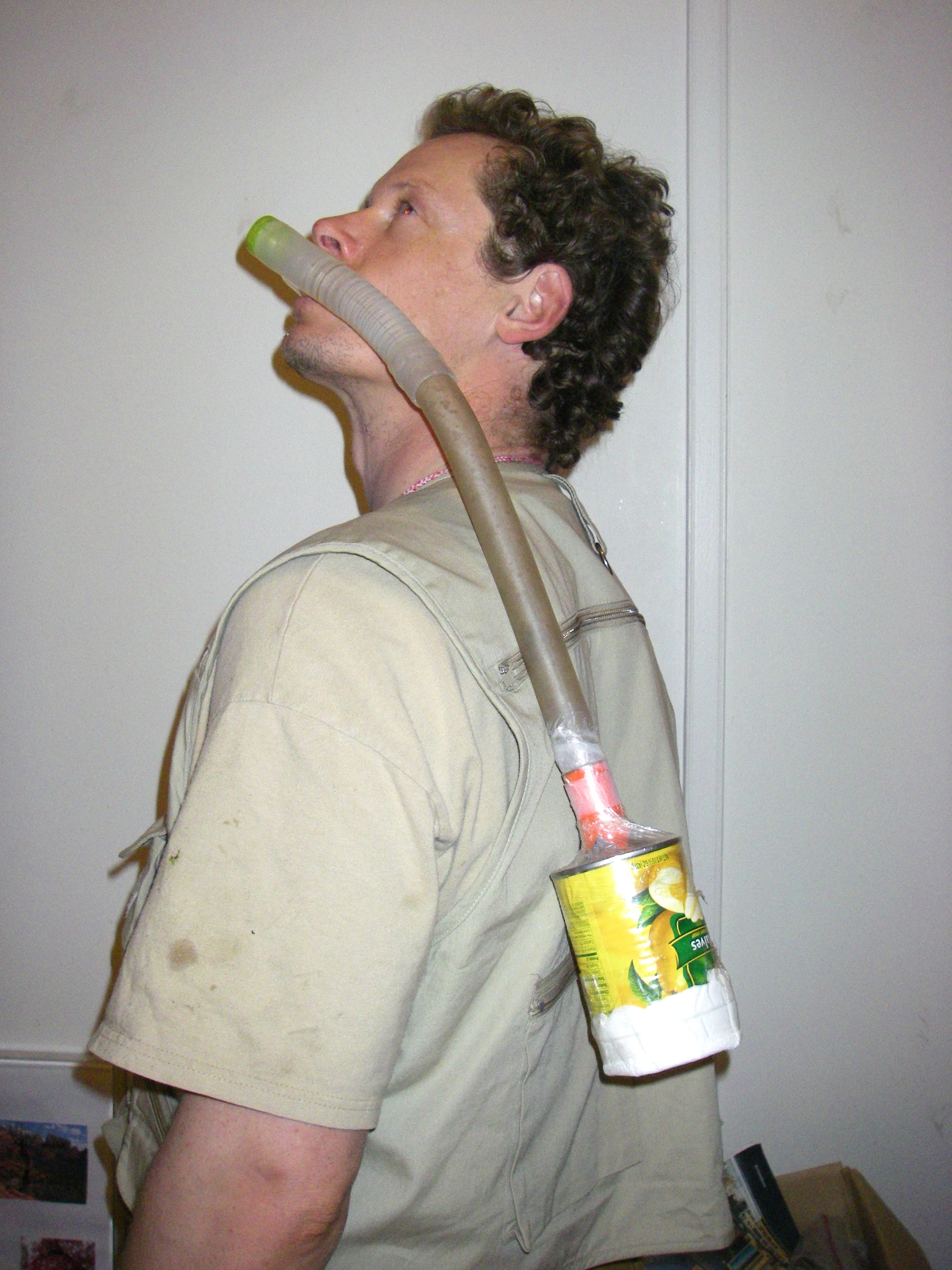
Despite the fact that many men prefer facial hair, beards do not permit a proper fit with a respiratory mask. While there is a limited number of acceptable facial hair types, it is prohibited for the majority of popular styles. Wearing respiratory protection while on the job ensures that all employees remain clean-shaven.
Military men are not permitted to grow facial hair, and they must display baby-faced smiles. The reason for this is to keep a uniform and professional appearance in place regardless of whether the work is chemical or not. It is currently being developed as an alternative to the standard M50 gas mask, which will form a skin-tight seal at the neck instead of the chin to protect the troop from chemical weapons. The Marine veteran and survivalist YouTuber has discovered an innovative solution that only requires Vaseline. It will be unpleasant, but it will be less painful than shaving and more effective than CS gas.
When wearing respiratory protection, it is critical to keep your face clean-shaven. This type of facial hair is the only type of hair permitted, and any hair below the chin or cheek is not permitted. Because a wrong fitting can lead to breathing problems, it’s critical to remember to use a respiratory device correctly.
Do Gas Masks Work If You Have A Beard?
Employees with beards should avoid wearing masks when working because the presence of a beard greatly increases the leakage of the face seal.
Do I Need To Be Clean-shaven To Wear A Respirator?
The inability to seal your face with good quality clothing is hampered by facial hair. When wearing a respiratory device, the worker must be clean shaven with a mask that seals to his or her face (as stated in CSA Standard 4).
Do You Need To Be Clean-shaven For A Face Fit?
Tightfitting RPE must be worn with clean shaven skin as its performance is reliant on its facepiece seal and contact with the skin. Because the person in front of you has not been shaved, his performance may suffer and workers may be exposed to hazardous chemicals.
Does Facial Hair Affect Gas Masks?
Facial hair can affect the seal of a gas mask, which is important for the mask to work properly. A good seal is necessary to keep out harmful chemicals and particles. If facial hair is present, it is important to make sure that it does not come between the mask and the face, as this can create gaps that will allow contaminants to enter.
For decades, military leaders have discouraged service members from growing beards. According to some, facial hair can interfere with the seal of gas masks, making them appear cleaner and more professional. There is no direct scientific evidence to back up such claims, according to one dermatologist. According to the dermatologist, more scientific evidence is needed in order to determine military grooming standards. Despite the absence of evidence, the argument that beards prevent gas mask seals is supported. A significant amount of time between promotions has been linked to shaving waivers. The ban on beards was first imposed during World War I, though it is not clear when this occurred.
An Air Force airman says there is little evidence to suggest that poor gas mask fitting causes facial hair. Members of the armed forces in Canada and Germany are permitted to grow beards as part of their NATO membership. According to Ritchie, no problems have been encountered with students studying for a Euro-NATO jet pilot’s license. According to one study, the fit factor for half-face negative pressure respiratory masks is negatively affected by facial hair. The length of the gas mask seal has the potential to be studied by the Air Force. It would be extremely simple to conduct research on the hair and gas masks of the female face. To grow facial hair, one would need to wear a quarter inch of it across their shoulders at a given time.
The seal would be medically evaluated for fit, as well as the amount of air that would pass through it, in order to determine whether it was suitable for gas masks. As the Air Force’s top enlisted leader, Wright had to reconsider shaving waivers for airmen. As a result, he was ignorant about how it was affecting Black men. According to Wright, changing policy is both an easy and a difficult task. During a visit to the base, Maj. Gen. Kenneth Bibb explained to airmen with shaving waiver that they were not permitted to wear the uniform. As Wright points out in his article, many people with power in the Air Force will oppose beards if they are permitted, and this incident appears to reinforce his point.
The Air Force has a Brigadier General. Airmen with shaving waivers have been asked by Gen. David Bibb to recount their experiences and pain as part of a program he launched. If the Air Force allows beards, Bibb said he will be the first to grow one. Making airmen feel at ease is considered a readiness issue, according to him.
The military’s use of shaving to combat the spread of gas masks and other respiratory protective gear has been fascinating. The proposed solution may appear to be a reasonable one, but it is not without flaws. Natural materials such as wool and cashmere are popular for beards, as these products can act as an effective filter. Furthermore, some beards are so thick that air cannot pass through them, causing the formation of toxic gases. It is important to note that while the military has a policy of requiring clean-shaven faces, these difficulties demonstrate that this is not always the best approach. A gas mask should not be used with facial hair, but this is not always a bad thing. It is time for the military to reconsider their current policy of prohibiting facial hair and come up with a more sensible solution that protects both the troops and their respiratory equipment.
Can You Use Face Mask With Facial Hair?
If you’re using a respirator, make sure your hair isn’t going to cross beneath the seal.
The Osha’s Stance On Beards And Respirators
Bearded workers are advised by the US Department of Labor’s Occupational Safety and Health Administration to use a protective clothing standard, PELs, and specific work environment requirements that are compliant with OSHA. If you have a beard, however, it may interfere with the face-to-facepiece seal, making it difficult to use a breathing mask. In fact, the US Occupational Safety and Health Administration prohibits workers with beards from using or fitting a respiratory mask. Masks designed for bearded workers are available in a variety of styles. A beard guard can be attached to a face mask’s beard, making it easier to put on. Others have a flexible band that wraps around the head, while others wear beards tucked inside. Before applying a face mask, it is a good idea to shave. It will also help you keep your respiratory system free of irritations and problems by ensuring a proper face-to-facepiece seal.
What Size Gas Mask Do I Need?
In general, the size of a respirator ranges from small to large. The size of a rubber seal determines the size of a mask. It should be placed over the entire face, including the nose, mouth, and eyes, as well as over the person’s entire body. A rubber seal should be large enough to fit on the face of the person.
Before each use, it is critical to thoroughly test the gas mask. Make sure the straps are properly fastened before wearing the mask. It should feel comfortable, but not overly tight. If the straps are too tightly fastened, the mask will not function properly, and the user will not be able to breathe. If the mask is too loose, the user’s mouth and nose will open too much, allowing gases to enter.
Proper Cloth Masks: Sizing Guide
If you’re an average person, wearing a small size will give you the best fit. If you are taller than 5’6”, a size Large may be more appropriate. In general, if you are shorter than 5’5″, a size Small is the best choice. Proper Cloth provides two sizes of masks for the vast majority of people, small and large. Adults with tall frames will find the large to be the most practical size, while those with shorter frames will find the small to be the best option. There is no such thing as a single size that fits all gas masks because different face shapes necessitate different masks. The average person should be able to wear a size small. If you are taller than 5’6″, you should think about going with the size large. If you are 5’5″ or shorter, you could dress in a size small.

Beckley Melendez is the founder and main author of beckleyboutique.com, a website dedicated to beauty and fashion. With a keen eye for style and a passion for all things beauty, Beckley has established herself as a respected voice in the industry. At 33 years old, she continues to share her expert insights and personal experiences with her readers, helping them stay on top of the latest trends and find the products that work best for them. With her unique perspective and engaging writing style, Beckley is a must-read for anyone interested in the world of beauty and fashion.