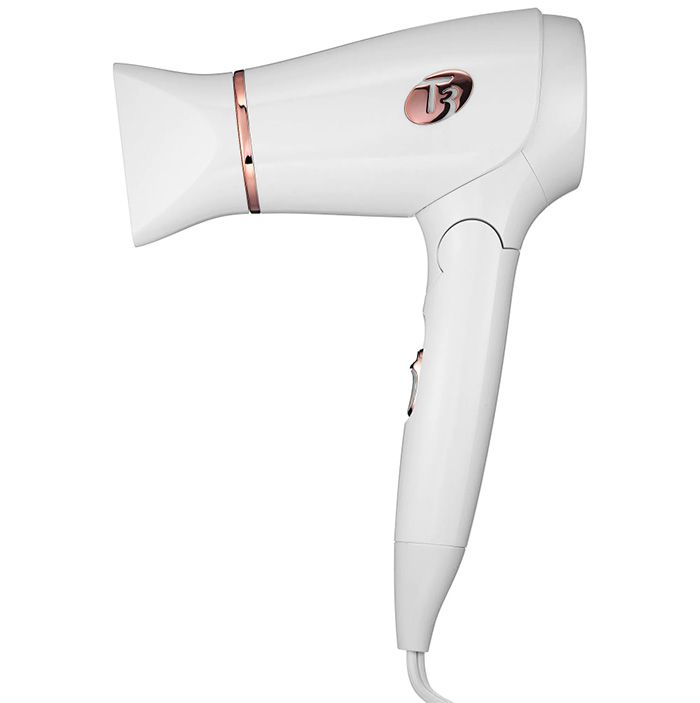
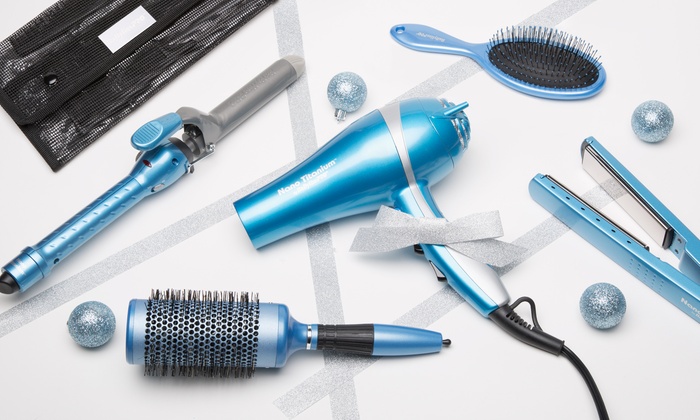
If you have ever gone to grab your hair dryer after a shower, only to find it covered in lint or worse – sticky – you may be wondering why this happens. There are a few reasons why your hair dryer may be sticky, and thankfully, there are also a few ways to fix the problem. One reason your hair dryer may be sticky is because it is not being cleaned often enough. Every few weeks, you should unplug your hair dryer and clean out the lint filter. You can also use a can of compressed air to blow out any lint or dust that may be stuck in the dryer’s coils. Another reason your hair dryer may be sticky is because you are using the wrong type of product in it. If you are using a product that is too heavy or greasy, it can build up on the coils and cause the dryer to become sticky. Try using a lighter product, or one that is specifically designed for use with hair dryers. Finally, your hair dryer may be sticky because the environment in which you are using it is too humid. If you live in a climate that is naturally humid, you may want to invest in a dehumidifier for your home. This will help to keep the air inside your home dry, which will in turn help to keep your hair dryer from becoming sticky.
When hair dryers become sticky, this can be a problem. This is caused by the decomposition of rubber. This problem can be solved with a few simple solutions, such as rubbing alcohol, Windex, and even using a toothbrush. You’ll learn how to avoid sticky rubber on your hair dryer and what you should do if it becomes stuck. Rubber on hair dryers can lose elasticity over time. The only thing you can do is bring the rubber back to its natural state. Using common household items is a good way to get rid of residual rubber.
Make sure there is no residual alcohol on your hair dryer by using either alcohol or Windex. If you want to get a quick fix, use something mild and effective. Allow the hair dryer’s surface to completely dry before using or plugging it back in.
How Do I Know If My Hairdryer Is Dying?

If your hairdryer is starting to take longer to dry your hair, or if it isn’t drying your hair as well as it used to, it may be on its way out. Another sign that your hairdryer may be dying is if it starts making strange noises, or if it starts to smell strange. If you notice any of these signs, it’s probably time to start shopping for a new hairdryer.
Why Are My Headphones Sticky
There could be a few reasons why your headphones are sticky. It could be because you’ve been sweating a lot and the salt from your sweat has accumulated on the headphones. Or, if you’ve been using them a lot, the oils from your skin could have built up on the surface. Another possibility is that you’ve been storing them in a humid environment, which can cause condensation to form on the surface. Whatever the reason, it’s important to clean your headphones regularly to prevent the build-up of dirt and bacteria.
Clean Sticky Silicone Kitchenware
Sticky silicone kitchenware can be a pain to clean, but there are a few tricks that can make the process easier. First, use a mild dish soap and warm water to create a sudsy solution. Next, use a soft sponge or cloth to gently scrub the sticky surface. If the silicone is still sticky, you can try using a vinegar and water solution or a commercial kitchen cleaner.
Silicone bakeware has transformed the way we bake our cakes and muffins at home. The problem is that you leave a sticky, greasy film on it after each use that makes it practically useless. How to properly clean silicone bakeware is essential if you intend to use it on a regular basis. Cleaning silicone pans is simple if you follow these steps with little effort. Baking soda can be abrasive, but it will not harm your bakeware. Feel around the pan for any areas where the surface is still oily and apply baking soda to those areas. You should avoid using old toothbrushes or anything that could scrape the silicone. If you use clean silicone bakeware, all bacteria will be removed from the surface. Maintaining a good understanding of how to clean silicone baking molds is critical to preventing the sticky, greasy film that forms on your silicone cookware and utensils.
Why Do My Silicone Utensils Get Sticky?
If the silicone or rubberized surface is allowed to absorb grease or oils, sticky film will form on silicone or rubberized handles. This can result in a sticky residue on the surface even after washing several times.

Beckley Melendez is the founder and main author of beckleyboutique.com, a website dedicated to beauty and fashion. With a keen eye for style and a passion for all things beauty, Beckley has established herself as a respected voice in the industry. At 33 years old, she continues to share her expert insights and personal experiences with her readers, helping them stay on top of the latest trends and find the products that work best for them. With her unique perspective and engaging writing style, Beckley is a must-read for anyone interested in the world of beauty and fashion.