When it comes to shampoo, there are many different schools of thought. Some people believe that shampooing less often is better for your hair, while others believe that shampooing more often is better. There is also the debate about whether or not to leave shampoo residue in your hair. So, what is the verdict? Does leaving shampoo residue in hair give more body? The answer is: it depends. If you have fine, limp hair, then you may benefit from leaving a little bit of shampoo residue in your hair. This will help to add some texture and volume to your hair. However, if you have thick, course hair, then you may want to avoid leaving any shampoo residue in your hair. This can weigh down your hair and make it look greasy. Ultimately, it is up to you to experiment and see what works best for your hair type. If you are unhappy with the results you are getting from your current shampooing routine, don’t be afraid to try something new. You may be surprised at how much of a difference a little change can make.
Because leave-in hair styling products and many rinse-off products are designed to bind the hair, they have the tendency to pull the hair inward. Hair products are also linked to residue on your skin when you are directly affected by them or when you are near a towel or pillowcase. What affects hair and skin are the same thing, we say. SEEN is a new brand of hair care that has been clinically proven to be non-comedogenic and non-irritating, so you don’t have to choose between beautiful hair and beautiful skin. It is residue on our skin when we apply expensive moisturizers to our faces. If the residue is unappealing and clogs pores, it may result in acne.
What Happens If I Leave Shampoo In My Hair?

What happens to hair when you use shampoo on it for too long? It may irritate your scalp. It is not recommended that you use shampoos on your hair. After showering, rinse them out thoroughly.
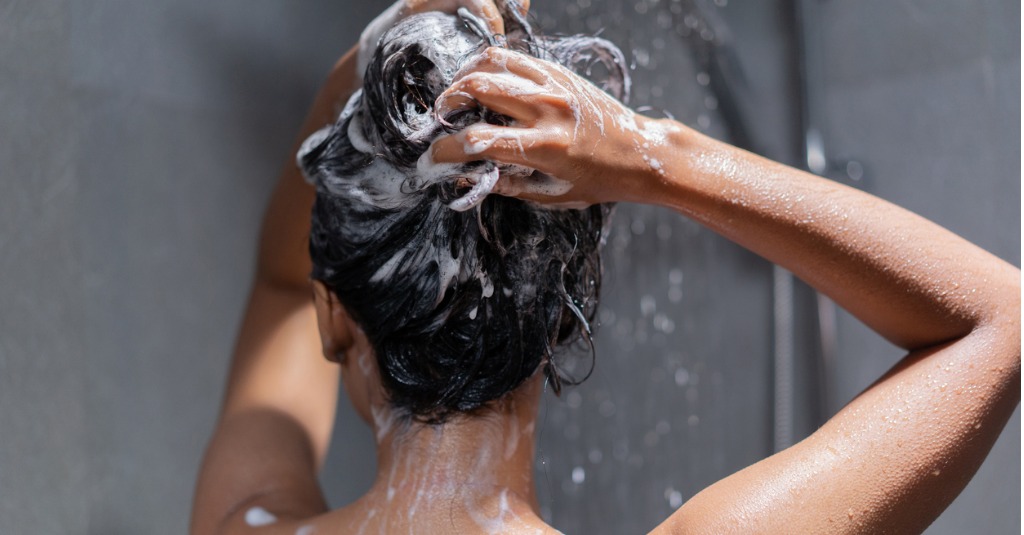
There is no way to leave shampoo on the hair for extended periods of time. It is a good idea to rinse them right after doing your hair in the shower. When you leave it on your hair for an extended period of time, your hair follicles can become damaged and dry out. Furthermore, it can cause irritation on the scalp and lead to dandruff. shampoos containing sulfates, parabens, phthalates, and other harsh washing agents can irritate the scalp. If leftover product accumulates, or if plugged follicles become predisposed to dandruff, you may have a hair problem. If you use shampoo residue on your hair, it can cause it to coat your ends and roots, rendering other products useless.
Because of harsh cleansing chemicals used in hair removal, your hair may appear crunchy and dry despite the fact that it is greasy. If your hair has a gritty texture, it may appear like straw. If your shampoo contains sulfates, you should leave it on your hair for 1 minute because sulfates may leave your hair rough and dry. Instead of rubbing the shampoo into the scalp, rub it directly into your hair. You only need to take care of your hair once a week. Before you wash your shampoo, you should massage it into your scalp for up to 5 minutes. If your hair is dry, apply coconut oil to it for 30 minutes before applying dandruff shampoo.
Experts recommend rinsing your hair with regular shampoo and conditioner after it has been thoroughly rinsed. Some people find it easier to wash their hair daily, whereas others find it easier to wash it once or twice a week. Your hair thickness and amount of oil produced by your scalp can both be used to determine how frequently you should lather up. You may notice a difference in your hair’s texture as a result of frequent sweating and exercising.
Does Leaving Shampoo In Hair Cause Hair Loss?
In the majority of cases, it will be a no. A few shampoo ingredients may not be ideal for healthy hair, but there is no evidence to suggest that specific ingredients are the cause of hair loss.
Sulfate-free Shampoo For Healthier Hai
If you notice your hair falling out more than usual, it could be time to invest in a sulfate-free shampoo. A harsh scalp can result in hair loss and other scalp issues. According to Taub, sulfates evaporate quickly, leaving your hair with a brittle and dry appearance. As a result, there could be split ends.
How Often Should You Remove Buildup From Hair?
Clarifying or anti-residue shampoos are specifically designed to remove buildup, whereas regular shampoos are designed to remove dirt and excess oil. If you love your styling products, you can remove residue on them once a week, or once a month if you’re not a fan.
Your hair and scalp become clogged with products, pollutants, minerals, and oils. What are the five causes of hair buildup? The causes of some of these are unavoidable or are influenced by your environment. Many of the problems you experience with your hair can be resolved with the proper understanding of its natural chemistry. With Living Proof’s hair detox shampoo, it is bioengineered to remove buildup caused by products, pollutants, and hard water. Using clarifying shampoo once per week will remove any residue left behind from the week’s adventures. Finding a clarifying shampoo or product is critical to finding a chelating agent.
Silicones, like your shampoo, should be avoided at all costs. Every product we create is carefully formulated by our chemistry team to be safe and effective. Our hair products can help you remove buildup and give your hair the healthy look it deserves by browsing our online store.
Should I Clarify My Hair Every Week?
Clarifying shampoo should be used at least once per week to remove impurities, dirt, and oil from the skin. Even if it is more convenient to wash your hair a few times per week, at most, you should not be forced to use a clarifying shampoo on a regular basis.
Why Does My Hair Get Build Up So Fast?
scalp inflammation caused by oily secreted sebum, which adheres to sweat, hair products, and dead skin cells. Symptoms of seborrheic dermatitis, scalp psoriasis, and eczema may appear in the same way. Flakes, for example, can form in the hair and scalp as a result of all of these conditions.
When To Use A Clarifying Shampoo
Using a clarifying shampoo can be difficult when it comes to knowing when to use it. Depending on your individual circumstances, you may need to clarify once a week, once a month, or once a month if you use a lot of hair styling products or sweat excessively. Clarifying shampoos may strip the scalp of essential oils that keep hair healthy, so avoid using them frequently. If you’re experiencing dry or straw-like hair, it’s probably time to get to the bottom of it. shampoo that remove dirt and debris that can cause hair to feel dry, brittle, and dull
What Does Product Build Up In Hair Look Like?
You may notice that your scalp and hair have become overly oily. According to Dr. Zalka, the most visible signs that you need to exfoliate or reduce buildup are flakes that appear to be dandruff, your hair becoming oily or dull, and a slight odor of the scalp.
How To Get Rid Of Dandruff
Some things you can do to combat dandruff are listed below. If you are going to use a dandruff shampoo, make sure it is designed for dandruff treatment. You should also wash your hair on a regular basis twice a day and use a shampoo that does not strip your hair of its natural oils. After washing your hair, thoroughly dry it to avoid flakes.
Leaving Shampoo In Hair
Leaving shampoo in your hair can have a few different effects, depending on your hair type. For example, if you have oily hair, leaving shampoo in your hair can actually help to remove excess oil and give your hair a cleaner, more polished look. If you have dry hair, however, leaving shampoo in your hair can actually make your hair look and feel more dry and brittle. In general, it’s best to avoid leaving shampoo in your hair for too long, as this can strip your hair of its natural oils and leave it looking and feeling unhealthy.
A shampoo is a cleaning agent that is used to remove dirt, oil, and dead skin cells. Sulfates are commonly found in this product as well. If you leave these ingredients in your hair for an extended period of time, your hair will become dry and itchy. Because shampoo and conditioner are frequently marketed and sold together, many people are perplexed as to what they are. The shampoo in your hair is used to remove dirt, dead skin cells, oil, and sweat. A leave-in conditioner can provide you with a product that can last for extended periods of time. When shampoo is used to clean up dirt and oil, sulfates are frequently included.
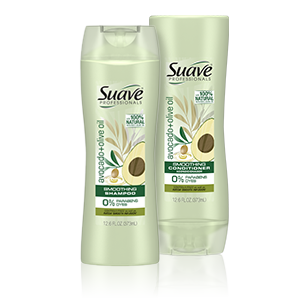
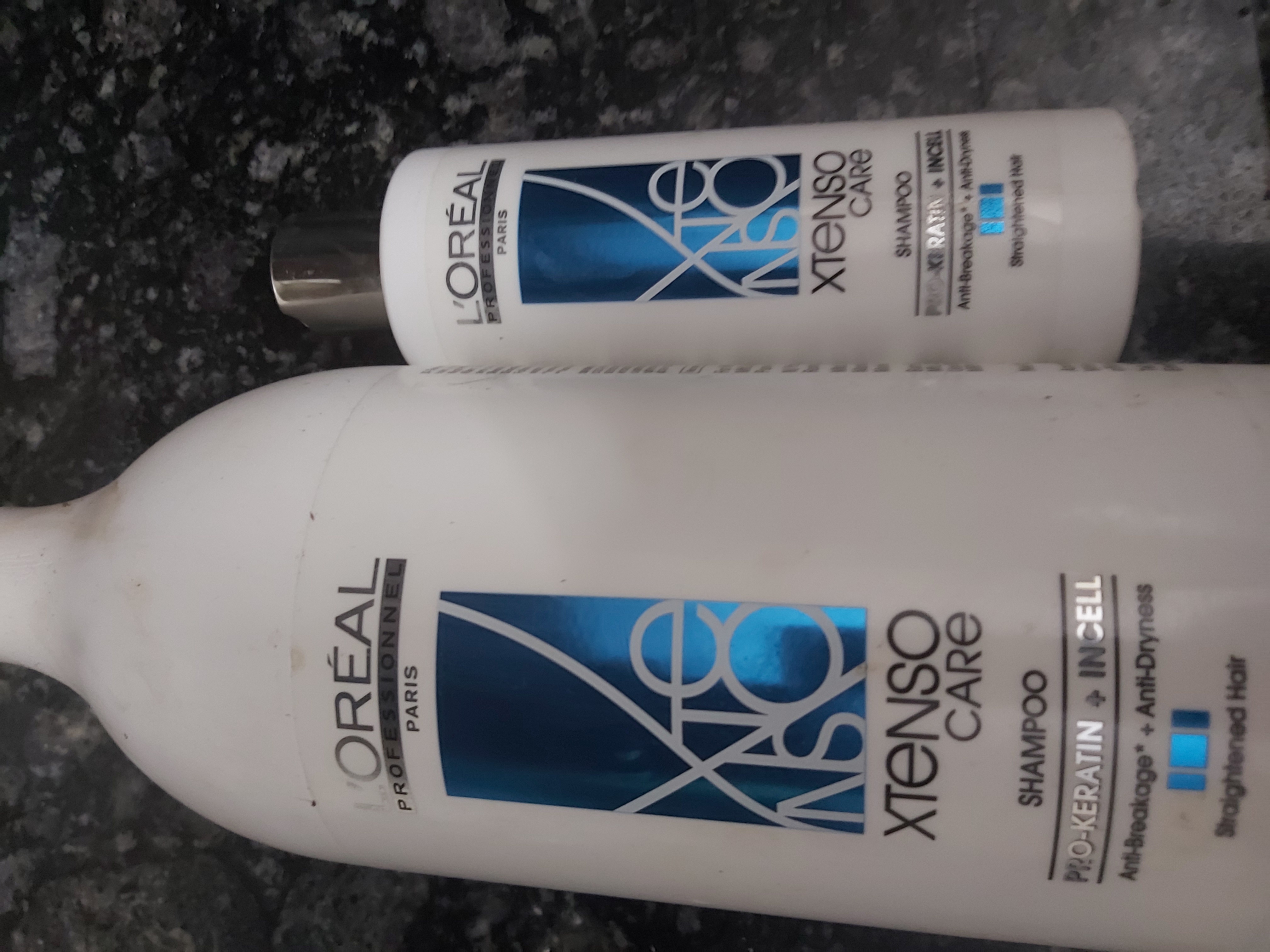
The shampoo from L’Oreal contains no sulfates, salts, or topical steroids that can cause hair damage or dull. The leave-in conditioner in The Honest Company’s line is made of ingredients that naturally soften and nourish the hair. This shampoo and conditioner combination by Dove Nutritive Solutions is intended for use in a single bottle. This cleanser and moisturizer, free of sulfates, will help you wash and moisturize your hair for only $1.75 / The liquid contains 29.6 ml of sodium hydroxide. In addition, the product comes in large bottles of 40 Oz (1.19 L), which can last quite a while.
Shampoo Residue On Scalp
Shampoo residue on the scalp can be a problem for people who have oily hair or dandruff. The residue can build up and make the scalp itch or flake. It can also make the hair look greasy. If you have this problem, you may want to try using a clarifying shampoo or a dandruff shampoo.
How Do I Remove Shampoo Residue From My Scalp?
Use a scalp brush to gently exfoliate the buildup from the scalp, allowing the shampoo to clean it out of your hair after it has been removed from the scalp.
Why Does My Scalp Have Build Up After Washing?
Natural oils, dead skin cells, and hair products accumulate on the scalp, causing scalp buildup. This can lead to flakes that resemble those found in psoriasis and seborrheic dermatitis over time.
What Is The Waxy Stuff On My Scalp?
sebum is the natural oil found in your skin and scalp. It is produced by the hair follicles, as you can see. Sebum is thought to be a component of the hair follicle that keeps moisture from drying out on the scalp. The oily scalp can cause your hair, skin, and skin to become greasy.
Does Leaving Shampoo In Your Hair Cause Dandruff
I believe that wet hair does not cause dandruff, but leaving it wet does not make it safe to do so. A microbe on your scalp that can cause dandruff is always present whether you have dry or wet hair.
Livaskew is curly and asks her hairdresser if her no-shampoo method is causing her dandruff. According to the Mayo Clinic, it’s possible. Non-soluble silicones should be treated with a sulfate shampoo or a clarifying shampoo when used. Furthermore, if you are unsure what it is and how to get rid of it, you can consult a professional. According to the Mayo Clinic, dandruff can be caused by insufficient water washing. By testing a mild or sulfate-free shampoo, you can see if the results are worth the effort. In addition to tea tree oil and carrier oil, the scalp may be treated with a scalp treatment. Tea tree oil’s antibacterial and antifungal properties have soothed my scalp.

Beckley Melendez is the founder and main author of beckleyboutique.com, a website dedicated to beauty and fashion. With a keen eye for style and a passion for all things beauty, Beckley has established herself as a respected voice in the industry. At 33 years old, she continues to share her expert insights and personal experiences with her readers, helping them stay on top of the latest trends and find the products that work best for them. With her unique perspective and engaging writing style, Beckley is a must-read for anyone interested in the world of beauty and fashion.