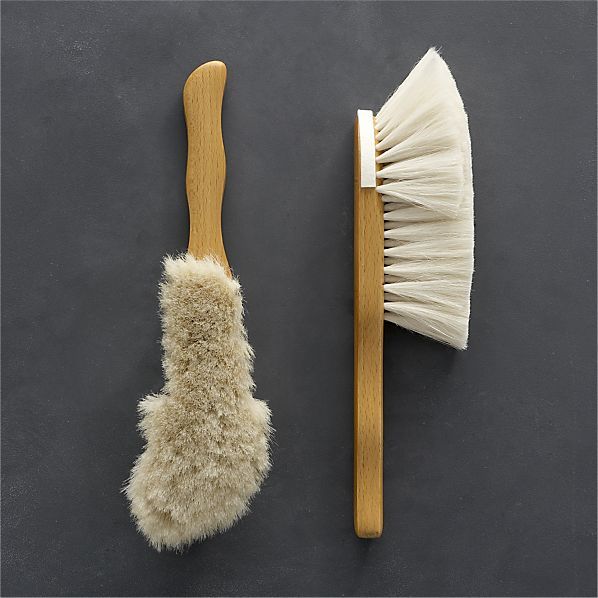
Goat hair brushes are often used by makeup artists and enthusiasts because of their softness and ability to distribute product evenly. However, because of the natural oils in goat hair, brushes can become quite dirty over time. While there are many ways to clean your goat hair brushes, using alcohol is one of the most effective methods. Alcohol will help to break down the oils and dirt that are stuck in the bristles, making it easier to rinse the brushes clean. Plus, the antimicrobial properties of alcohol will help to keep your brushes free of bacteria.
Brush cleaners are almost always made of alcohol and contain oils in addition to alcohol. Dettol can also be used in deep cleaning; however, be careful not to use too much. Since the beginning, I have used 99% alcohol on my brushes, and they are still perfectly fine and happy. Brushes with antimicrobial coatings should be cleaned with alcohol, especially if they are covered in paint. Synthetic brushes can be coated with a coating that will coat them in the future. If you are using a natural hair brush, clean it with a brush cleaner to avoid drying and damaging the hairs. Deep cleaning should not include baby shampoo or products that do not contain a conditioner.
They are thoroughly cleansed with Dermalogica Special Cleansing Gel once a month. Before putting them back in my brush roll, they must be dried flat. If you do this, you will be able to thoroughly clean the brushes in a matter of minutes. Soak in the solution before drinking it. If the brush is not thoroughly soaked, the glue that holds it to the handle of the shampoos will disintegrate, causing the brush to tarnish. There was always a rule in my school that if the product was to be removed from the brush, 99% should be used, and 70% should be used to disinfect. This is due to the fact that the higher the percentage, the more quickly it evaporates.
I know it’s faster drying but if it’s not killing all the bacteria, I don’t understand the popularity of its use? I use the brush cleaner on set because it contains alcohol as the primary ingredient. The brushes are pretty, white, and have goat hair bristles, but it lightens them up. I feel tarnished if a model fails to maintain hygiene, which causes damage to the brush models. Cleaning brushes should be kept to a minimum. Because isopropyl is a hygroscopic product, you can quickly damage your hands if it is not user-friendly. Despite the fact that ethanol is easier to use, it is an abused substance that can be purchased at a high price due to its heavy taxation.
My clients are reassured when I use a professional brush cleaner labeled Professional Brush Cleaner. The value of creating good is worth the effort. SARAH JONES has 57 makeup posts on her profile. The United Kingdom is represented by the United Kingdom Embassy in London. If I were in that room of six with you, I would like to express my gratitude for all your assistance in keeping the models’ brushes clean. I also have alcohol wipes for hard surfaces, tools, and the like, as well as lip and eye pencils that I haven’t used in ages. I just put my brushes away somewhere out of the way (my conservatory is the best place to put them).
I use a shampoo before I get home to wash my face and then apply some alcohol to the face. Brushes for makeup are noncritical items and should never be used on mucous membranes or non-intact skin. It is a lucky day for the models. I don’t think they should be sprayed with alcohol, to put it politely. Although my haikuhodo brushes are relatively inexpensive, I want them to last me for the rest of my life. My two favorite go-to cleaners are cinema secrets and parian spirit. There is no more than a trace of alkane in either.
They will never be dry unless there is a solution to dry them. The more brushes you have, the more likely it is that either will be contaminated. Parian Spirit is not suitable for use on lip brushes due to its oily texture; however, because it takes longer to dry, it does leave your brushes conditioned and soft. I also use alcohol-based brush cleaners in addition to brush cleaners. The FDA has not approved the use of any liquid chemical sterilant or high-level disinfectant with alcohol as the primary active ingredient. The best thing to do when cleaning your makeup brushes and to spray (literally) over your powder/pan shadow, blushers, and blushers, as well as after wiping off/burning your eyes and lip pencils is to use 99% alcohol. Conjunctivitis (eye) and staph infections can be transmitted more easily by bacteria from the mouth or eyes.
Rub rubbing alcohol or hand sanitizer into a small container and leave it there. After applying the liquid, brush the brushes with it for about an hour and then rinse them thoroughly and lay them flat on the counter. If the brushes have been dried, they may be able to stay in place for a longer period of time.
If you intend to keep your gel brushes clean and in good working order, wipe them with a lint-free cloth after each use. It is possible to cleanse them with alcohol, but avoid doing so too frequently because it can still dry out the bristles. They don’t need to be soaked, just a quick wipe and dip to get the job done.
It can also be useful as a hair conditioner, in addition to drying hair, but not moisturizing it, and can help control oily roots. You can use a cotton ball soaked in alcohol to blot your hair clean.