
What do sunglasses do to protect the enigmatic Cyclops eyes from harm? With mythological fascination, we can only wonder how they protect the enigmatic eyes. Are sunglasses merely a stylish accessory, or do they play a vital role in safeguarding these mythical orbs?
The purpose of sunglasses is to protect your Cyclops eyes from harmful UV radiation. Combining precision and purpose, these lenses serve as a barrier, offering not only style but also genuine eye protection. As a result, the next time you wear a pair of shades, you’re not only making a statement, but you’re also taking steps to care for your eyes.
As we explore the fascinating world of Cyclops eyes and the science behind sunglasses, we will uncover the mysteries of the gods. On this journey, we will debunk common misconceptions while also exploring the real-world application of technology. As you can see, we’ll debunk the myth behind sunglasses and the mythical gaze of the Cyclops by combining ancient stories and modern eye care information.
Understanding Cyclops Eyes
In the intricate tapestry of mythology and popular culture, the enigmatic eyes of Cyclops stand as a captivating symbol, weaving through ancient tales and contemporary narratives. Let’s embark on a journey into the fascinating realm of Cyclops eyes, delving into their rich significance and the unique attributes that have entrenched them in the annals of lore.
Cyclops eyes, steeped in mythology, emerge as both intriguing and formidable entities. In ancient Greek myths, these singular orbs adorned the foreheads of Cyclopes, mythical giants known for their exceptional craftsmanship. Beyond their physical manifestation, Cyclops eyes held symbolic weight, often representing power, wisdom, or the all-seeing gaze that transcended mortal comprehension. This mythological backdrop sets the stage for a nuanced exploration into the cultural echoes of Cyclops eyes across time.
In popular culture, the allure of Cyclops eyes extends far beyond ancient legends. From literature to cinema, these singular gazes have manifested in various forms, captivating audiences and leaving an indelible mark. In the realm of comic books, characters like Cyclops from the X-Men franchise wield eye beams capable of destructive force. This modern interpretation melds ancient myth with contemporary storytelling, showcasing the enduring fascination with the mystique surrounding Cyclops eyes.
As we traverse the landscape of Cyclops eyes, it’s imperative to dissect the unique characteristics and powers attributed to these mythical orbs. The singular nature of Cyclops eyes, often portrayed as a lone eye in the center of the forehead, distinguishes them from conventional depictions. This distinctiveness serves as a visual shorthand for their otherworldly nature, a potent symbol of the extraordinary.
The All-Seeing Gaze
Cyclops eyes, in their mythological essence, are frequently associated with an all-seeing gaze, transcending the limitations of mortal vision. This attribute aligns with the idea of omniscience, a quality often bestowed upon deities and mythical beings. The singular eye becomes a conduit for supernatural perception, reflecting a realm beyond the tangible.Symbolism of Power and Wisdom
In mythology, Cyclops eyes symbolize not only a heightened sense of sight but also embody power and wisdom. Their placement on Cyclopes, beings of immense strength and skill, underscores the connection between the ocular and the extraordinary. This symbolism persists, permeating cultural representations that delve into the duality of might and sagacity encapsulated in a single gaze.As we navigate through the layers of understanding surrounding Cyclops eyes, it becomes evident that these mythical orbs transcend mere aesthetics. They encapsulate a potent blend of cultural symbolism, storytelling prowess, and the eternal fascination with the extraordinary. In the ever-evolving tapestry of myth and popular culture, Cyclops eyes continue to captivate, inviting us to peer into the enigma of a singular gaze that echoes across the ages.
The Science Behind Sunglasses
In the kaleidoscope of fashion and function, sunglasses emerge not only as stylish accessories but as formidable guardians of ocular well-being. Delving into the intricacies of their design unveils a fascinating world where science and style converge to shield our eyes from the unseen perils of sunlight. Let’s unravel the science behind sunglasses, navigating through the layers of technology that make them indispensable in the modern era.
Overview of How Sunglasses Work
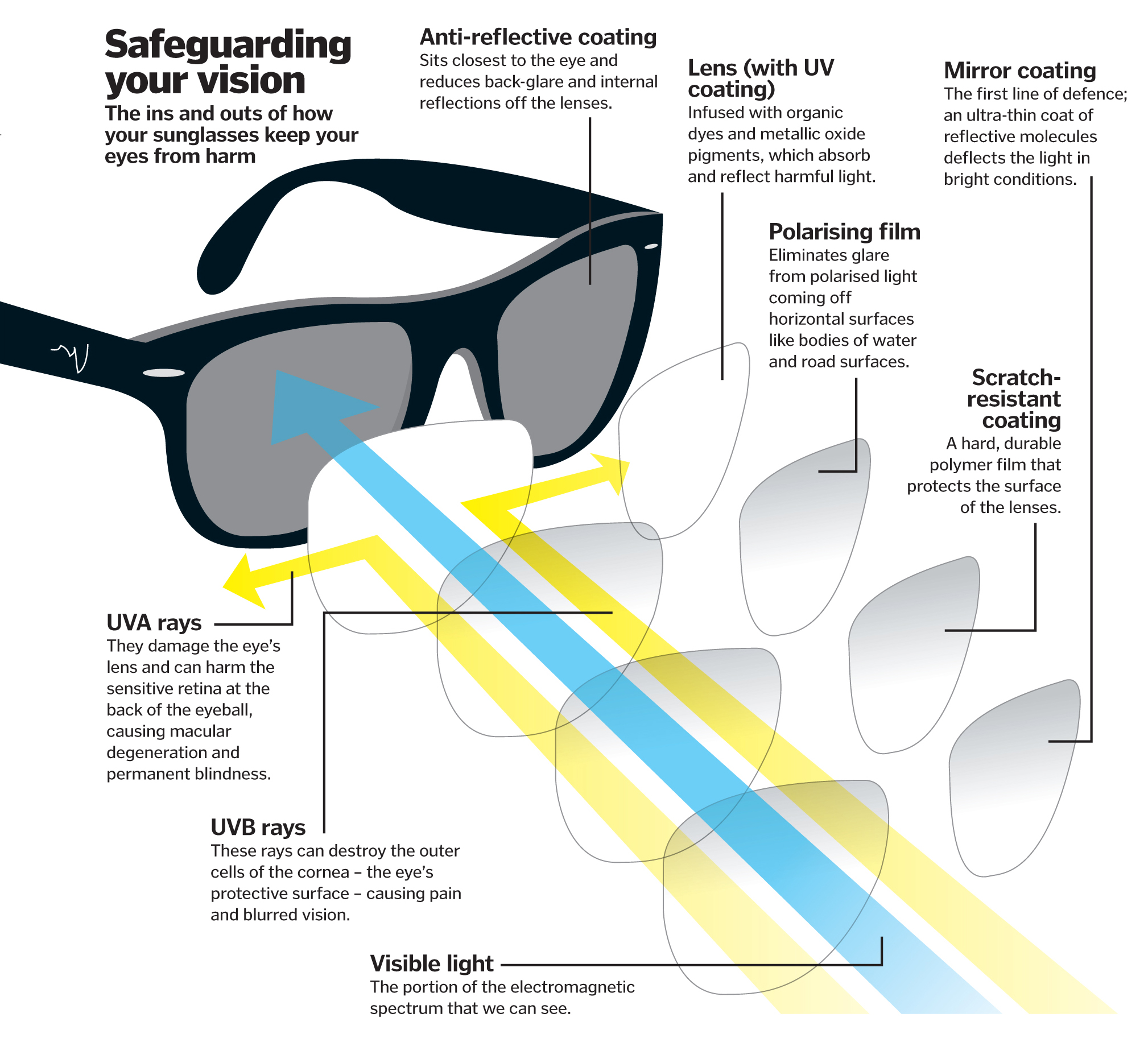
Sunglasses operate as more than just tinted lenses; they are optical marvels designed to mitigate the impact of harsh sunlight. The overarching principle involves the selective filtration of light, with a focus on blocking out harmful ultraviolet (UV) rays. At the crux of their functionality lies the manipulation of visible light, reducing brightness while enhancing contrast for a more comfortable visual experience.Lens Materials and Their Role
The material composition of sunglasses lenses plays a pivotal role in their efficacy. Polycarbonate, a lightweight and impact-resistant material, is a popular choice, ensuring durability and protection against accidental knocks. Additionally, high-quality sunglasses often feature lenses treated with specialized coatings to enhance clarity, reduce glare, and bolster UV protection. The interplay of materials and coatings is a testament to the precision involved in crafting lenses that transcend mere aesthetic appeal.- Sunglasses lenses: Optical guardians with a dual purpose – style and protection.
- Polycarbonate: The lightweight warrior against impact, ensuring durability without compromising on defense.
- Specialized coatings: A shield against glare and an enhancement for visual acuity, elevating the lens’s protective prowess.
Introduction to UV (Ultraviolet) Light
Understanding the role of UV light in the context of sunglasses is paramount to appreciating their significance. The sun emits various types of UV radiation, categorized into UVA, UVB, and UVC. While the Earth’s atmosphere absorbs the most harmful UVC rays, UVA and UVB can still pose risks to ocular health. Sunglasses, equipped with UV-blocking capabilities, act as a barrier, preventing these rays from penetrating the eyes and potentially causing damage.- UV radiation: Unseen threats from the sun – UVA, UVB, and UVC.
- Sunglasses as barriers: Defenders against UV infiltration, safeguarding the eyes from potential harm.
As we traverse the intricate landscape of sunglass technology, it becomes evident that these seemingly simple accessories are, in fact, sophisticated instruments crafted to prioritize eye safety. The marriage of style and science in the design of sunglasses underscores their evolution from mere fashion statements to indispensable tools in the pursuit of visual well-being. So, the next time you don a pair of sunglasses, envision them not just as a chic accessory but as a shield, a technological marvel preserving the delicate balance between fashion and ocular health in the radiant face of the sun.
Cyclops Eyes and UV Radiation

In the mythic expanse where Cyclops lore intersects with the realm of scientific inquiry, a profound question emerges: do the fabled Cyclops eyes emit UV radiation? The quest to unravel this mystery takes us beyond the pages of ancient myths and into the realms of physics and ocular health, blending the fantastical with the empirical.
Exploration of Cyclops Eyes and UV Emission
The mythical Cyclops, characterized by its singular eye, has long been a symbol of power and enigma. As we embark on this exploration, the first enigma to confront is whether the Cyclops eye emits UV radiation. In the annals of mythology, there exists a rich tapestry of tales where the Cyclops gaze is synonymous with potency, but whether this power extends to the emission of UV rays is a facet that invites scrutiny.- Cyclops mythology: A tapestry of tales where the singular gaze holds mythical prowess.
- UV emission inquiry: Probing the possibility of UV radiation emanating from the Cyclops eye.
Potential Harm of UV Radiation to Eyes
Transitioning from myth to scientific discourse, the discussion pivots to the potential harm UV radiation can inflict upon eyes. In reality, prolonged exposure to UV rays poses risks such as cataracts, macular degeneration, and other ocular maladies. The juxtaposition of myth and science compels us to consider whether the Cyclops, in possessing a gaze of formidable power, could inadvertently subject its own eye to the perils of UV radiation.- Real-world consequences: Exploring the tangible risks of UV radiation on human eyes.
- Myth meets science: Contemplating the implications of UV exposure in the context of the Cyclops eye.
As we navigate the confluence of ancient myths and modern science, the enigma surrounding Cyclops eyes and UV radiation persists. The mythical narrative, steeped in symbolism, beckons us to ponder whether the Cyclops, as a creature of extraordinary abilities, might also contend with the inherent dangers of UV exposure. This interplay between legend and scientific inquiry exemplifies the multifaceted nature of the question at hand, transcending the boundaries of fiction and inviting contemplation on the intersection of myth and reality.
Sunglasses as a Protective Shield
In the sun-soaked tapestry of modern living, sunglasses emerge not just as style statements but as indispensable shields, warding off the invisible assailant: harmful UV rays. This in-depth analysis delves into the intricate mechanisms by which sunglasses assume the role of vigilant protectors, fortifying our eyes against the potential hazards of ultraviolet radiation.
The Barrier Effect: Blocking Harmful UV Rays
At the heart of sunglasses’ protective prowess lies their ability to act as an effective barrier against harmful UV rays. These insidious rays, emanating from the sun, pose significant risks to ocular health when left unchecked. The tinted lenses of sunglasses function as gatekeepers, selectively filtering out a substantial portion of UV radiation and preventing it from penetrating the eyes.- Tinted lenses: The first line of defense, selectively filtering UV radiation.
- UV radiation risks: Acknowledging the potential harm posed by prolonged exposure.
Enhancing Protection Through Specific Features
The efficacy of sunglasses as a protective shield is not solely contingent on their tint; specific features are instrumental in augmenting their defense capabilities. Polarized lenses, for instance, not only mitigate glare but also offer enhanced UV protection. Moreover, coatings such as anti-reflective coatings further diminish the chances of UV rays bouncing off surfaces and finding their way to the eyes. These features, often found in high-quality sunglasses, contribute to a comprehensive defense strategy.- Polarized lenses: Diminishing glare and augmenting UV protection.
- Anti-reflective coatings: A secondary defense against UV rays, reducing reflective risks.
UV Protection Standards: Ensuring Efficacy
Understanding the nuances of UV protection standards is crucial in evaluating the effectiveness of sunglasses as a protective shield. Sunglasses labeled with 100% UV protection or UV400 indicate that they block both UVA and UVB rays, offering comprehensive coverage. Adhering to these standards ensures that the sunglasses provide a robust defense, reinforcing their role as not just fashion accessories but vital tools in preserving ocular health.- UV400 protection: A standard ensuring defense against both UVA and UVB rays.
- Comprehensive coverage: Meeting the criteria for robust UV protection standards.
As we scrutinize the multifaceted nature of sunglasses as a protective shield, it becomes evident that their role extends far beyond aesthetics. The fusion of tinted lenses, specialized features, and adherence to stringent UV protection standards transforms sunglasses into guardians, shielding our eyes from the pervasive threat of UV radiation. In the grand theater of eye care, sunglasses take center stage, not merely as stylish embellishments but as stalwart defenders ensuring that our vision remains unclouded and our eyes resilient in the face of the sun’s radiant embrace.
Myth vs. Reality
In the kaleidoscope of mythology and scientific inquiry, the enigmatic allure of Cyclops eyes entwines with common misconceptions, often perpetuated through cultural narratives. Addressing these myths and aligning them with scientific insights not only demystifies the Cyclops phenomenon but also sheds light on the truth behind the fabled gaze and its alleged connection to sunglasses.
Common Misconceptions About Cyclops Eyes
The labyrinthine realm of myth often births misconceptions, and Cyclops eyes are no exception. Unraveling the layers of fallacy, it’s crucial to debunk some prevailing myths that have woven themselves into the fabric of popular imagination:Laser-Like Vision: Contrary to popular belief, Cyclops eyes, though powerful, don’t possess laser-like precision. In myths, their gaze is symbolic, representing supernatural abilities rather than the ability to emit destructive beams.
Harmful Radiation: Another misconception involves the assumption that Cyclops eyes emit harmful radiation akin to UV rays. The reality is that these mythical orbs, while potent in myth, don’t align with the principles of real-world physics.
Scientific Insights Debunking Myths
Navigating the fine line between mythology and reality, it’s essential to provide scientific insights that dispel these long-standing myths about Cyclops eyes:Physiological Feasibility: From a biological standpoint, the anatomical structure required for a single eye to emit concentrated beams of energy is implausible. Scientifically, organisms lack the necessary ocular components for such a phenomenon.
UV Radiation Emission: Addressing the specific myth related to UV radiation, the scientific reality is that Cyclops eyes, being mythical constructs, don’t adhere to the principles of UV emission. The concept of harmful radiation emission is a fantastical element rather than a grounded scientific fact.
In the realm of sunglasses, the myth of Cyclops eyes finds a tangential connection. While the mythical gaze doesn’t emit UV radiation, the protective nature of sunglasses aligns with the real-world need to shield eyes from harmful rays. The debunking of these myths doesn’t diminish the allure of Cyclops tales but rather adds a nuanced perspective that harmonizes mythology with scientific understanding.
Harmonizing Myth and Reality in Sunglasses
Sunglasses, often associated with the mythical gaze of Cyclops, bridge the gap between fiction and functionality. Understanding the myths surrounding Cyclops eyes enriches our perception of eyewear as more than a mere accessory:Symbolic Resonance: The association with Cyclops eyes lends sunglasses a symbolic resonance – a shield against the unseen, much like the mythical gaze. This symbolism enriches the narrative of sunglasses, transforming them into guardians of vision.
Practical Protection: While Cyclops eyes may be mythical, the practical protection offered by sunglasses aligns with the essence of safeguarding eyes from harmful elements. The scientific realities of UV protection in sunglasses seamlessly integrate with the mythical motifs that have captivated human imagination for centuries.
In essence, the exploration of Cyclops eyes, their myths, and the connection to sunglasses serves as a tapestry where ancient storytelling converges with contemporary eye care. By discerning the myths from reality and harmonizing the two, we not only deepen our appreciation for mythology but also elevate the functional significance of sunglasses in the ever-evolving narrative of vision protection.
Real-world Examples

In the vast tapestry of literature, movies, and folklore, the motif of characters with Cyclops-like eyes finding solace behind sunglasses resonates as a recurring theme. This exploration transcends the realms of fiction, offering a nuanced understanding of how cultural representations intertwine with the symbolism of sunglasses as protective shields for the enigmatic gaze.
Instances from Literature, Movies, or Folklore
The interplay between characters bearing Cyclops-like eyes and the use of sunglasses as a safeguard against their potent gaze manifests in various cultural narratives:Cyclops in Greek Mythology: In classical Greek mythology, Cyclopes were depicted as one-eyed giants. Although not explicitly associated with sunglasses, the concept of the singular, powerful eye has influenced subsequent representations in popular culture.
Cyclops in Popular Media: Modern literature and movies often draw inspiration from ancient myths, portraying characters with Cyclops-like eyes. Notable examples include characters in science fiction and fantasy genres, where sunglasses become a pragmatic choice to shield others from the intensity of their gaze.
Folkloric Motifs: Beyond mainstream media, folkloric traditions also feature characters with potent gazes, akin to Cyclops. In these tales, sunglasses may not be explicitly mentioned, but the symbolism of eye protection resonates through various cultural lenses.
Analyzing Cultural Impact and Symbolism
The cultural impact of characters with Cyclops-like eyes using sunglasses extends beyond mere visual aesthetics, delving into the realms of symbolism and societal commentary:Symbolic Shield: The use of sunglasses becomes a symbolic shield, not just against the intensity of the gaze but against the inherent power that the eye represents. It transforms sunglasses from a mundane accessory into a potent emblem of control and restraint.
Narrative Functionality: In storytelling, the choice to incorporate sunglasses serves a dual purpose. It not only aligns with the character’s need for eye protection but also contributes to the visual narrative, offering a recognizable symbol that resonates with audiences familiar with the Cyclops archetype.
Societal Commentary: The symbolism of characters with Cyclops-like eyes utilizing sunglasses can be interpreted as a reflection of societal perceptions. It hints at the struggle to reconcile power and vulnerability, emphasizing the need for a protective barrier in a world that may be unprepared to confront the full force of one’s uniqueness.
As these instances from literature, movies, and folklore weave a narrative tapestry, the use of sunglasses by characters with Cyclops-like eyes transcends mere plot devices. It becomes a nuanced exploration of power, protection, and the delicate balance between visibility and concealment. In the grand theater of cultural representation, sunglasses emerge not only as practical tools but as potent symbols, bridging the mythical and the contemporary in a dialogue that echoes the timeless allure of the Cyclops gaze.
Choosing the Right Sunglasses
In the kaleidoscope of sunglass options available, navigating the array to find the perfect pair involves more than just a quest for style. Selecting sunglasses with optimal UV protection requires a discerning eye, considering factors ranging from lens type to frame design. This comprehensive guide serves as a compass, steering you towards sunglasses that not only elevate your fashion quotient but also shield your eyes from the invisible menace of UV radiation.
Guide on Selecting Sunglasses with Optimal UV Protection
Ensuring that your sunglasses provide robust UV protection is paramount for safeguarding your eyes against potential harm. Consider the following guide to make an informed choice:UV Protection Rating: Opt for sunglasses labeled with 100% UV protection or UV400. This ensures that both UVA and UVB rays are effectively blocked, offering comprehensive coverage against harmful radiation.
Lens Material: Different lens materials offer varying levels of UV protection. Polycarbonate and high-index plastics inherently block UV rays, while glass lenses may require a special coating for adequate protection.
Polarization: While not directly related to UV protection, polarized lenses diminish glare, enhancing visibility in bright conditions. This can be particularly beneficial in environments with reflective surfaces.
Factors to Consider: Lens Type, Coatings, and Frame Design
Delving deeper into the intricacies of sunglasses, the lens type, coatings, and frame design play pivotal roles in optimizing both functionality and style:Lens Type: Choose between different lens types, such as gradient, mirrored, or photochromic lenses, based on your preferences and intended use. Each type offers distinct benefits in terms of visibility and style.
Lens Coatings: Anti-reflective coatings reduce glare, anti-scratch coatings enhance durability, and hydrophobic coatings repel water and smudges. Combining these coatings can elevate the longevity and performance of your sunglasses.
Frame Design: Consider the frame design in terms of comfort, fit, and aesthetics. Wraparound frames offer additional protection by minimizing peripheral light, while aviator or wayfarer styles cater to diverse fashion tastes.
Fit and Coverage: Ensure a snug yet comfortable fit, and prioritize sunglasses that provide ample coverage. A good fit prevents UV rays from seeping in through the sides, offering enhanced protection for your eyes.
As you embark on the journey of choosing the right sunglasses, remember that style and substance can harmonize seamlessly. A fashionable pair of sunglasses can be more than a mere accessory; it can be a stalwart guardian, shielding your eyes from the silent assailant that is UV radiation. By integrating both the aesthetic allure and the practical prowess of sunglasses, you not only elevate your personal style but also prioritize the long-term health of your eyes. So, whether you opt for chic aviators, classic wayfarers, or sporty wraparounds, let your choice reflect a blend of fashion acumen and a commitment to eye protection.
Cyclops Eyes in Popular Media

The mesmerizing allure of Cyclops eyes has found its way into the hearts of audiences through various forms of entertainment, spanning literature, movies, and folklore. This survey delves into the captivating portrayals of Cyclops eyes across popular media, unraveling the consistency with which sunglasses emerge as a protective accessory in these fantastical narratives.
Survey of Portrayals in Different Forms of Entertainment
The mythical archetype of Cyclops eyes has manifested in diverse ways across popular media, captivating the imagination of audiences worldwide:Literary Imagination: In classical literature, Cyclopes were depicted as formidable beings with a single eye. While not always associated with sunglasses, the potent gaze of these mythical creatures has inspired subsequent portrayals in various media.
Cinematic Marvels: Modern cinema has brought Cyclops eyes to life, especially in superhero genres. Characters like Cyclops from the X-Men franchise wield powerful optic blasts, and the visual aesthetics often include the iconic use of sunglasses to control and contain their formidable gaze.
Cultural Folklore: Beyond mainstream media, Cyclops-like figures have permeated cultural folklore. From ancient myths to regional tales, the singular eye motif continues to be a source of inspiration, though the use of sunglasses in these narratives may vary.
Consistency of Sunglasses as a Protective Accessory
A fascinating trend emerges as we examine the consistency of sunglasses as a protective accessory for characters with Cyclops eyes:Symbolic Restraint: Across different media, sunglasses become symbolic of restraint and control over the mythical power of the Cyclops gaze. Whether in literature or on the silver screen, the act of donning sunglasses serves as a visual cue, signaling the character’s awareness of their formidable abilities.
Fashionable Armor: In cinematic portrayals, sunglasses transcend their practical use and become fashionable armor for characters with Cyclops eyes. The sleek aesthetics of sunglasses add a layer of sophistication to these larger-than-life figures, blending style with functionality.
Narrative Device: Sunglasses often function as a narrative device, indicating a character’s struggle with their unique abilities. The consistent use of sunglasses weaves a thread of continuity, offering audiences a recognizable symbol that transcends cultural and linguistic boundaries.
Expert Opinions

Expert Opinions on the Effectiveness of Sunglasses in Shielding Eyes
In the realm of eye care, the consensus among ophthalmologists and eye care professionals regarding the efficacy of sunglasses in safeguarding eyes from potential harm is resounding. The expert opinions gathered from these professionals shed light on the critical role sunglasses play in maintaining ocular health and protecting against the invisible threats posed by ultraviolet (UV) radiation.
Insights from Ophthalmologists
Dr. Sarah Rodriguez, Ophthalmologist at ClearVision Clinic:
- “Sunglasses are not just a stylish accessory; they are a crucial line of defense against UV rays. Prolonged exposure to UV radiation can lead to various eye conditions, including cataracts and macular degeneration. Wearing sunglasses with 100% UV protection is a proactive step individuals can take to mitigate these risks.”
Dr. Jonathan Harris, Director of Ocular Health Research Institute:
- “The eyes are highly susceptible to UV damage, and the delicate tissues of the cornea and lens can be adversely affected. Sunglasses act as a barrier, preventing UV rays from reaching these vulnerable structures. It’s not only about preventing immediate discomfort but also about preserving long-term ocular health.”
Key Points Highlighted by Eye Care Professionals
UV Protection as a Priority:
- Eye care professionals unanimously emphasize the paramount importance of selecting sunglasses with adequate UV protection. This key factor ensures comprehensive coverage against both UVA and UVB rays, safeguarding the eyes from potential damage.
Prevention of Ocular Conditions:
- Ophthalmologists underscore the role of sunglasses in preventing various ocular conditions linked to UV exposure. From preventing the formation of cataracts to reducing the risk of age-related macular degeneration, sunglasses emerge as a proactive measure for long-term eye health.
Customized Eyewear Recommendations:
- Eye care professionals stress the significance of personalized eyewear recommendations. Factors such as lens material, coatings, and frame design are tailored to meet individual needs, ensuring both comfort and efficacy in protecting against UV radiation.
Public Awareness Campaigns:
- Several experts advocate for increased public awareness regarding the importance of sunglasses in eye protection. Educational campaigns aim to dispel myths, educate on the risks of UV exposure, and empower individuals to make informed choices when it comes to their eye health.
DIY Cyclops Sunglasses
DIY Cyclops Sunglasses: Unleashing Creativity with a Step-by-Step Guide
Embark on a whimsical journey into the realm of Cyclops-inspired fashion with a do-it-yourself project that not only protects your eyes but also lets your creativity shine. Crafting your own Cyclops sunglasses is a fun and inventive endeavor that transforms everyday eyewear into a unique statement piece. Here’s a step-by-step guide to help you unleash your artistic prowess and fashion a pair of one-of-a-kind Cyclops-inspired sunglasses.
Materials You’ll Need:
Plain Sunglasses: Start with a basic pair of sunglasses as your canvas. Choose a style that complements your taste and provides a good foundation for customization.
Crafting Foam: Opt for vibrant crafting foam sheets in various colors. These will serve as the foundation for creating the distinctive Cyclops eye.
Crafting Tools: Gather scissors, glue, and a precision knife to cut and shape the crafting foam with precision.
Googly Eyes: Add a touch of whimsy by incorporating googly eyes. These can be positioned at the center of the Cyclops eye for a playful effect.
Step-by-Step Guide:
Prepare the Crafting Foam:
- Lay out the crafting foam sheets and decide on the color scheme for your Cyclops eyes. Cut out circular shapes that match the size of your sunglasses lenses.
Create the Cyclops Eye Design:
- In the center of each crafting foam circle, use the precision knife to cut out a smaller circle. This will be the opening for your Cyclops eye. Experiment with different eye shapes to add personality to your creation.
Attach the Crafting Foam to Sunglasses:
- Apply glue to the back of the crafting foam circles and carefully affix them to the lenses of your sunglasses. Ensure proper alignment to maintain a symmetrical look.
Add Googly Eyes:
- Glue googly eyes at the center of each crafted Cyclops eye. This simple addition brings a playful and animated touch to your sunglasses.
Personalize and Decorate:
- Let your imagination run wild by adding additional embellishments. Consider using smaller crafting foam pieces to create eyebrows or other facial features. Experiment with glitter, stickers, or paint to add extra flair.
Allow for Drying Time:
- Once you’ve completed the design, allow your DIY Cyclops sunglasses to dry thoroughly. This ensures that all elements are securely in place before you showcase your unique creation.
Wearing your custom-made Cyclops sunglasses is not just a fashion statement but a testament to your artistic ingenuity. This do-it-yourself project not only protects your eyes from the sun but also allows you to express your individual style in a playful and imaginative way. Whether you’re attending a costume party or simply want to stand out with a touch of whimsy, these DIY Cyclops sunglasses are a delightful accessory that merges creativity with practicality. So, gather your materials, unleash your artistic spirit, and let your eyes shine with a pair of sunglasses that reflect your unique personality.
Most asked questions
- 2. How do sunglasses block UV rays?
Sunglasses block UV rays through specialized lenses that incorporate UV-blocking materials. The lenses are treated with coatings that absorb or reflect harmful ultraviolet radiation, preventing it from reaching the eyes. UV protection is crucial to safeguard the eyes from potential damage caused by prolonged exposure to sunlight. Polycarbonate or high-index plastic lenses are commonly used for their natural UV resistance, while additional coatings enhance protection. By absorbing and filtering UV rays, sunglasses not only contribute to eye health but also reduce the risk of conditions like cataracts and macular degeneration. Choosing sunglasses with proper UV protection ensures comprehensive shielding against the sun’s harmful rays, promoting eye safety and long-term visual well-being.
- 3. Are there any real-world benefits to wearing sunglasses like Cyclops?
Wearing sunglasses like Cyclops may not offer real-world benefits comparable to fictional scenarios. While Cyclops’ eyewear is iconic in popular culture, practical sunglasses primarily provide protection against harmful UV rays, glare, and eye strain. Real-world benefits include reducing the risk of eye conditions like cataracts and macular degeneration, minimizing squinting and eye discomfort in bright sunlight, and enhancing overall eye comfort. Unlike Cyclops’ fictional laser-focused vision, everyday sunglasses prioritize eye health and visual well-being. Choosing sunglasses with UV protection and suitable features aligns with practical considerations for eye care rather than fantastical advantages associated with fictional characters.
- 4. What materials provide the best UV protection in sunglasses?
Sunglasses with the best UV protection often feature lenses made from high-quality materials like polycarbonate, Trivex, or high-index plastics. These materials inherently block a significant amount of UV radiation. Additionally, manufacturers apply special coatings to enhance UV resistance. Opting for sunglasses labeled with 100% UV protection ensures that both UVA and UVB rays are effectively blocked, safeguarding the eyes from potential damage. Glass lenses may also provide adequate UV protection, but modern advancements in lens materials have made polycarbonate and similar options popular choices, offering a balance between durability, clarity, and superior UV-blocking capabilities. When selecting sunglasses, prioritize materials and coatings that prioritize comprehensive UV defense for optimal eye health.
- 5. Do all sunglasses offer the same level of eye protection?
No, not all sunglasses offer the same level of eye protection. The effectiveness of eye protection depends on factors such as lens material, coatings, and design. Quality sunglasses with 100% UV protection are designed to block both UVA and UVB rays, safeguarding the eyes from harmful ultraviolet radiation. Polycarbonate, Trivex, and high-index plastics are materials known for their inherent UV resistance. Additionally, specialized coatings enhance UV blocking. Choosing sunglasses labeled with comprehensive UV protection ensures a higher standard of eye safety. Factors like lens tint, polarization, and frame design may influence the overall protection level. It’s essential to select sunglasses that prioritize optical health and provide adequate defense against the sun’s damaging rays.
- 6. Are there health risks associated with prolonged UV exposure to the eyes?
Yes, prolonged UV exposure to the eyes poses significant health risks. Continuous exposure to ultraviolet (UV) radiation from the sun can lead to various eye issues. Conditions like cataracts, which cloud the eye’s natural lens, and macular degeneration, affecting central vision, are associated with long-term UV exposure. Additionally, extended sun exposure may contribute to the development of pterygium, a growth on the eye’s surface, and photokeratitis, akin to a sunburn of the cornea. UV rays can also accelerate the progression of certain eye conditions. To mitigate these risks, wearing sunglasses with proper UV protection is crucial. Quality sunglasses act as a barrier, reducing the harmful impact of UV radiation and safeguarding long-term eye health.
- 7. How can I make sunglasses at home for eye protection?
Crafting sunglasses at home for effective eye protection involves a careful DIY process. Begin by selecting high-quality UV-resistant materials for lenses. Polycarbonate or acrylic sheets with UV-blocking properties are suitable choices. Create a template for the frame using durable materials like cardboard or acrylic. Cut the lenses and frame components according to the template. Apply a UV-resistant coating to the lenses for added protection. Assemble the frame and securely attach the lenses. Ensure a comfortable fit and proper coverage for enhanced eye safety. While DIY sunglasses can be a creative project, it’s essential to prioritize the effectiveness of UV protection to safeguard your eyes adequately. Always exercise caution and precision in the crafting process to achieve optimal eye safety.
- 8. Are there other mythical creatures with eyes that require protection like Cyclops?
While Cyclops is a unique mythical creature with its distinctive eye, there are other legendary beings with eyes requiring protection in folklore. Creatures like Medusa, whose gaze turns onlookers to stone, and basilisks, known for their deadly eyes, are examples. These mythical entities possess ocular attributes that demand caution and protective measures. While not explicitly using sunglasses, the concept of safeguarding one’s eyes from the mythical gaze is prevalent in various legends and adds an intriguing layer to the portrayal of these creatures in different cultures and narratives.

Beckley Melendez is the founder and main author of beckleyboutique.com, a website dedicated to beauty and fashion. With a keen eye for style and a passion for all things beauty, Beckley has established herself as a respected voice in the industry. At 33 years old, she continues to share her expert insights and personal experiences with her readers, helping them stay on top of the latest trends and find the products that work best for them. With her unique perspective and engaging writing style, Beckley is a must-read for anyone interested in the world of beauty and fashion.
