If you’ve ever tried to repair a crack or hole in a piece of wood, you know that wood filler doesn’t always go on smoothly. And once it’s dry, it’s often difficult to sand down without creating more damage. But what if there were a way to make wood filler dry faster and be easier to work with? Turns out, there is! You can use a hair dryer to speed up the drying process of wood filler, making it simpler to use and giving you a better end result.
Wood filler should be applied within hours of mixing and allowed to dry at room temperature if used in the first place. The speed at which wood filler dries depends on a variety of factors. If you’re looking for a specific result, using a hair dryer to dry wood filler can help. Wood filler dries slowly, so you should take a few precautions if you want to speed up the process. Make sure the heat isn’t too intense around wood fillers, as it can cause them to crack. Wood filler can be dried in your home or office at any temperature and humidity. For general rule, it should be dry for at least 24 hours before painting. Using a hair dryer can help, but using a hair dryer to accomplish this is not a good idea.
Wood filler hardens over time. Wood filler hardens much faster than wood putty in comparison to outdoor conditions, so it does not contract or expand as rapidly as wood putty. If you’ve sustained major damage to indoor wooden furniture, wood filler can be used to cover it up and repair it from within.
Can You Dry Filler With A Hair Dryer?

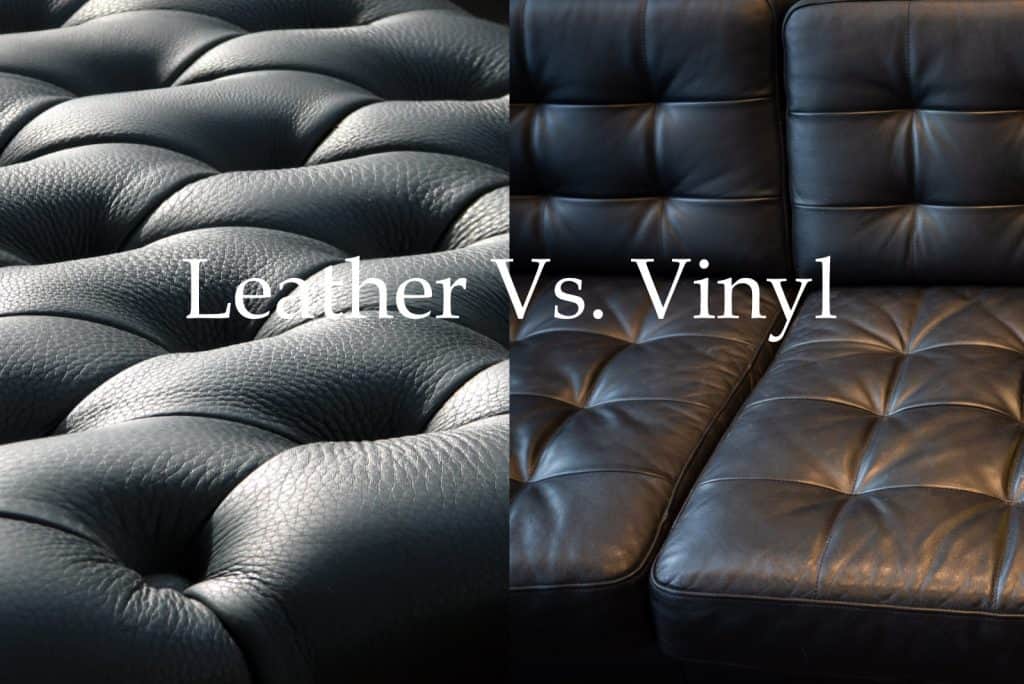
These Fillers are used in leather and vinyl to repair scratches and cracks. It is not necessary to heat them to cure, and they do not require air to dry. However, if your fry is slow, you can speed it up by using a hair dryer.
The mud on a sheetrock repair can be dried with a hair dryer or a heat gun. Because plaster casts can be exposed to air at room temperature for an extended period of time, they will quickly dry. Most of the time, however, they are dried in a heated, forced-air oven at 150 degrees Fahrenheit, at which point hole filler is applied to speed up the drying process. The thicker the layers, the greater the amount of water that will soak up. Ensure that the drying process is completed in a timely manner by opening all windows and doors. Never use plaster heaters, radiators, hair dryers, or de-thudgers to dry plaster. How long does plaster need to dry?
How soon can I paint over putty? The paint job on the Putty should be completed within two to four weeks of the application of the Glass. Can you speed up plaster drying process? You can speed up the process by doing a few things.
How Long Should You Let Filler Dry For?
It is best to allow the filler to harden for at least 30 minutes, preferably for an hour. True wood fillers may be so hard that you’ll have a difficult time cleaning them.
Can You Dry Bondo With A Heat Gun?
A thermoset is one that is rigid. The only thing that makes a hardener dry is heat, so it doesn’t dry like air. Bondo, for example, can be hardened in the oven. You will increase the speed of the heat if you use a hair dryer, sunshine, or a heat gun.
Can You Rehydrate Plastic Wood Filler?
It is possible to rehydrate plastic wood filler, but it is not recommended. The reason for this is that rehydrated plastic wood filler is not as strong as the original material, and it can also be more difficult to work with.
The Many Uses Of Plastic Wrap And Acetone
To keep plastic wood filler moist and pliable, use a plastic wrap and acetone. If the filler is too dry or stiff, thin it out with acetone.
Can You Use Wood Filler On Plastic
Wood filler cannot be used on plastic. Plastic is a non-porous material, so the wood filler will not be able to adhere to it.
Can You Use Wood Filler On Wood
With wood filler, small projects such as covering nail holes can be completed. It can be applied to unfinished wood to fill in holes and cracks. We used this technique to repair imperfections in a handrail for this project.
However, while wood putty and wood filler sound the same, they have significant differences. Wood fillers are made up of byproducts from wood combustion, such as sawdust, which is suspended in water or a petroleum-based medium. Although wood putties have some flexibility, they remain pliable even after they dry. Wood filler can be used to fill in a surface and provide structural stability in certain situations. In comparison to metal connectors and wood glue, it does not reinforce a joint in the same way. In order to apply wood filler to wood, mix it with a putty knife in the container. Because wood filler absorbs stain differently than unfinished wood, it is not always the best match.
If you want to remove dust without causing any additional damage, use tack cloth. If some of the putty is dry or there is a rancid smell, it should be discarded. It can be difficult to sand when filling softwood (such as pine) because the filler will become stronger and harder than the wood itself. It is critical to apply the filler evenly to the joint or crack with the putty knife. Wood filler can be pre-colored by mixing it with the wet filler before applying it.
If the filler isn’t going to be painted, the next step isn’t required. If the filler is to be painted, then it is critical to prime the area. There are two types of primers: oil-based primers and water-based primers. Oil-based primers are the most commonly used, and they work well with almost any paint. Primers made of water are less common and work best when working with latex paint. If you are using water-based primer, you must wait until it has dried before you can begin painting. Latex paint and oil paint are two examples of paint types. Latex paint is much more durable and can be used with water-based primers. Primers based on oil paint perform best, and oil paint does not last long. If you are using a primer and a paint, it is critical to follow the instructions that came with the paint. If used incorrectly, primers and paints can be hazardous.
Can You Use Wood Filler On Finished Wood?
Wood fillers are ideal as a short-term fix due to the fact that some types of fillers can dry in as little as 10 minutes. Because wood filler is so consistent, applying it to finished wood is not recommended. Raw, porous wood is extremely easy to fill in holes and cracks when it comes to patching up.
How To Avoid Cracks In Your Wood Fille
If you follow these simple precautions, you will be free of cracks in your wood filler. I wish you all the best!
What Filler Should I Use On Wood?
After staining and finishing wood, a putty known as wood putty can be applied. When there are very small holes to repair, such as when the nail has been removed, it is preferable to use this rather than wood filler. While wood filler, on the other hand, is best for larger holes and blemishes because it can be sanded and painted after it has dried.
Wait For Wood Filler To Harden Before Sanding
Allow plenty of time for the wood filler to harden; it takes about 30 minutes to harden. After it hardens, you can begin sanding with medium and fine sandpaper grit. The filler will be harmed if the filler is sander damaged. If you intend to stain the filler, wait at least 24 hours after applying the stain before applying a top coat.
Is Wood Filler As Strong As Wood?
Wood fillers, in general, contain real wood fibers, which is why sawdust is suspended in a binder made of water or petroleum and dries to a hard finish. They add no structural strength to the wood that they are applied to despite the fact that they dry quickly.
How To Choose The Right Wood Filler For Your Project
If you are using a traditional wood filler, make sure you have enough. Even a small amount will not be enough to fill large gaps, and it will cause an unpleasant mess. If you have a large project, you may need to use a wood filler designed specifically for use in harsh weather conditions. You will be able to prevent the filler from cracking or shrinking over time by keeping it in place. Wood fillers are required for any woodworking or carpentry project. It is used to fill in large holes, cracks, and voids in a variety of wood surfaces. There are many different wood fillers on the market, so it’s critical to choose the one that’s right for you.

Beckley Melendez is the founder and main author of beckleyboutique.com, a website dedicated to beauty and fashion. With a keen eye for style and a passion for all things beauty, Beckley has established herself as a respected voice in the industry. At 33 years old, she continues to share her expert insights and personal experiences with her readers, helping them stay on top of the latest trends and find the products that work best for them. With her unique perspective and engaging writing style, Beckley is a must-read for anyone interested in the world of beauty and fashion.